How to Safely Prep Your Humidifier for Winter: 4 Essential Steps
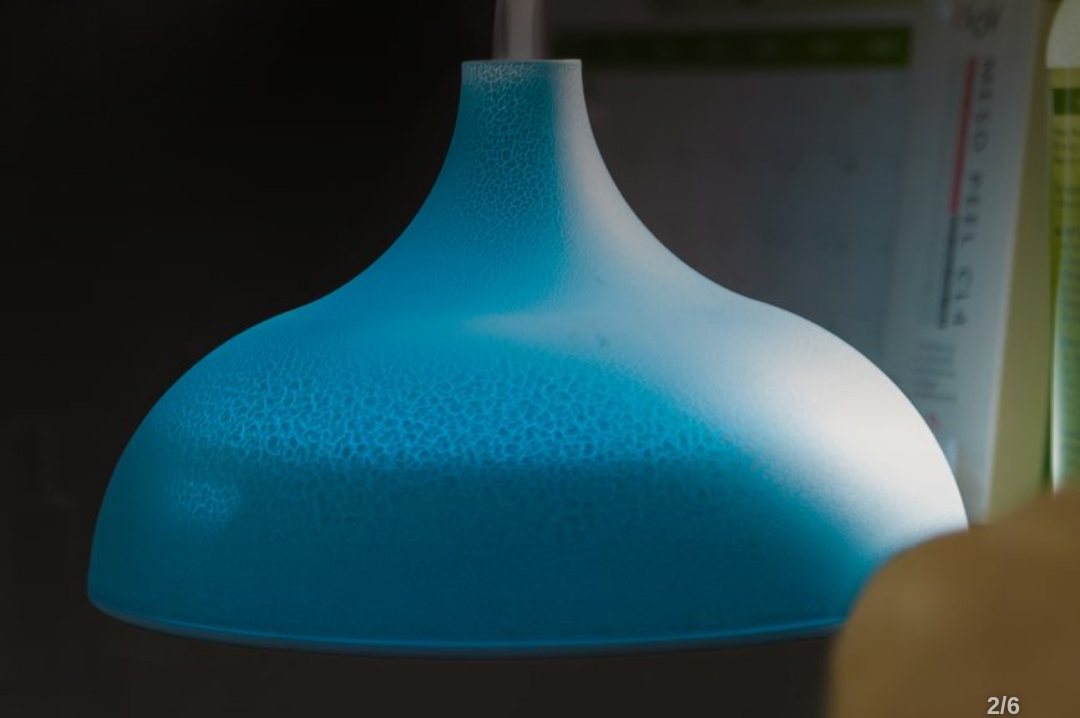
Why You Shouldn't Turn On a Stored Humidifier Right Away
As the winter chill sets in, many of us head to the closet to pull out our stored humidifiers. However, turning on an appliance that has been sitting in storage for months without a thorough deep clean can pose serious health risks. Residual moisture left inside the device is a prime breeding ground for mold and bacteria.
According to environmental health data from the Korea Disease Control and Prevention Agency (KDCA), running a humidifier with contaminated, stagnant water can disperse harmful bacteria directly into your indoor air. Furthermore, you should never reuse last year's filter. Over time, filters trap dust and organic matter, making them a hotspot for microbial growth that cannot simply be washed away. A complete teardown and cleaning are absolutely necessary before the first run.
The 4-Step Humidifier Start-Up Checklist
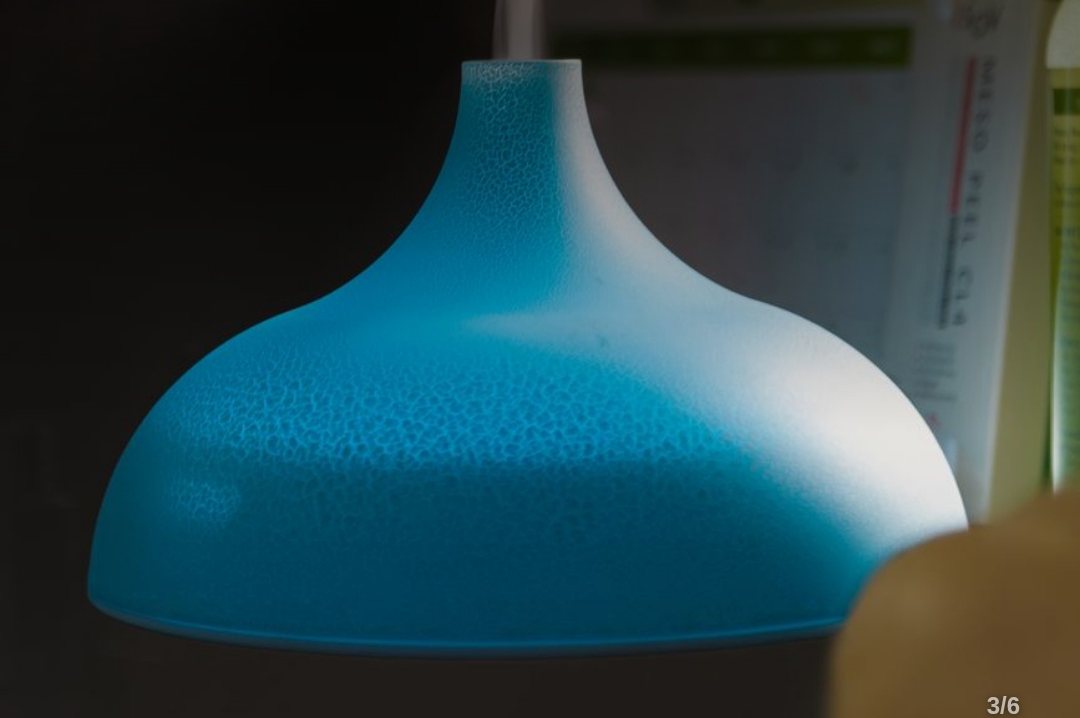
To keep your indoor air safe and breathable, follow this essential checklist before plugging in your machine for the season.
1. Filters and Consumables: Discard last year's filter and replace it with a brand-new one. 2. Main Body and Tank: Clean thoroughly using a mixture of vinegar and baking soda instead of harsh chemical dish soaps, which can leave harmful residues. 3. Water Selection: Always fill the tank with cold water, prioritizing tap water over purified water. 4. Air Drying: After washing, let all components air-dry completely in a well-ventilated area for at least 12 hours.
Why is cold water so important? Public health guidelines show that warm water accelerates bacterial growth inside the tank, which is why appliance manufacturers strictly recommend cold water. Additionally, standard chemical dish soaps can leave invisible residues on the ultrasonic transducer or filter. When the machine runs, these chemical particles can be atomized into the air and inhaled, so natural cleaning agents like vinegar or citric acid are much safer options.
Ultrasonic vs. Steam: Common Mistakes and Water Pitfalls
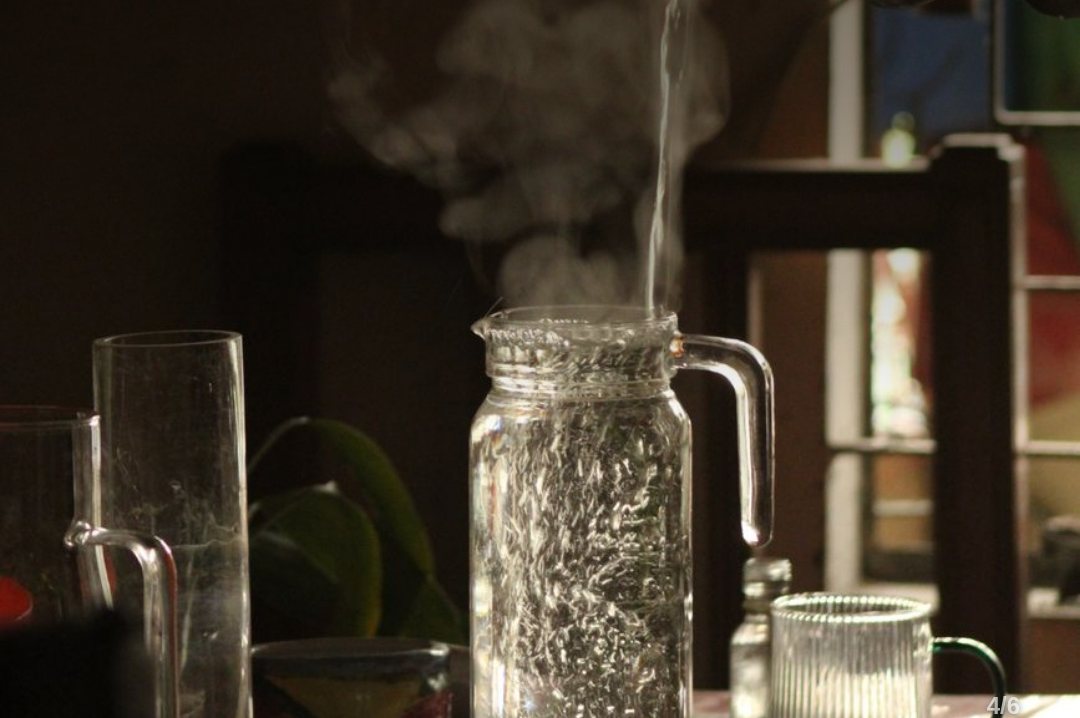
A common misconception is that filling a humidifier with hot water will make it humidify the room faster. In ultrasonic humidifiers, hot water can actually warp the internal vibrating transducer, permanently damaging the appliance. While hot water might speed up the boiling process in steam or heating humidifiers, it creates a severe burn hazard during handling.
Another frequent mistake is assuming that simply changing the water is enough. Once the chlorine in tap water evaporates, an invisible slimy layer called biofilm quickly forms on the inner walls of the tank. You must physically scrub this film away using a soft brush or micro cloth to keep the water clean.
Long-Term Winter Maintenance and Smart Placement
For safe operation throughout the winter, establish a routine of cleaning the tank and changing the water every three days. During the day when the humidifier is not in use, empty any remaining water completely, open the lid, and let the tank dry out.
Placement also matters for your respiratory health. Keep the humidifier at least 2 meters (about 6.5 feet) away from your bed. Placing it too close allows dense, cool mist particles to directly irritate your respiratory tract. Always refer back to your specific manufacturer's manual for daily cleaning instructions to ensure your unit stays in peak condition.
Humidifier Safety Summary
Preparing your humidifier for the dry winter months comes down to four simple habits: replacing the filter, cleaning with natural ingredients, using cold water, and drying all parts completely. Taking these extra steps ensures your home stays comfortably humid without compromising your family's respiratory health.
Common questions
Can I use baking soda and vinegar together to clean my humidifier?
Yes, the chemical reaction between baking soda and vinegar is excellent for loosening mineral scale and buildup. However, this mixture does not completely sterilize the tank, so you must rinse all components thoroughly under running water after scrubbing.
Is it better to use purified water or tap water in a humidifier?
Tap water is actually safer for humidifiers. Water from a jeongsugi, a ubiquitous Korean home water filtration system, has had its chlorine removed, which allows bacteria to multiply much faster. The residual chlorine in tap water helps prevent bacterial growth inside the tank.