How to Store Sanjeok (Korean Holiday Skewers) Safely and Avoid Spoilage
Start by Checking the Packaging and Prep Date
To store sanjeok—traditional Korean holiday skewers made of meat, mushrooms, and vegetables—you first need to determine their starting point. If you bought pre-packaged skewers, the storage clock starts the moment you open the package. If you made them at home, the timeline begins the day they were cooked.
Always calculate your refrigeration period from these specific starting points. While eating up fridge leftovers is a great way to reduce food waste, failing to track when a dish was opened or prepared can lead to foodborne illness.
The Danger of Leaving Skewers at Room Temperature
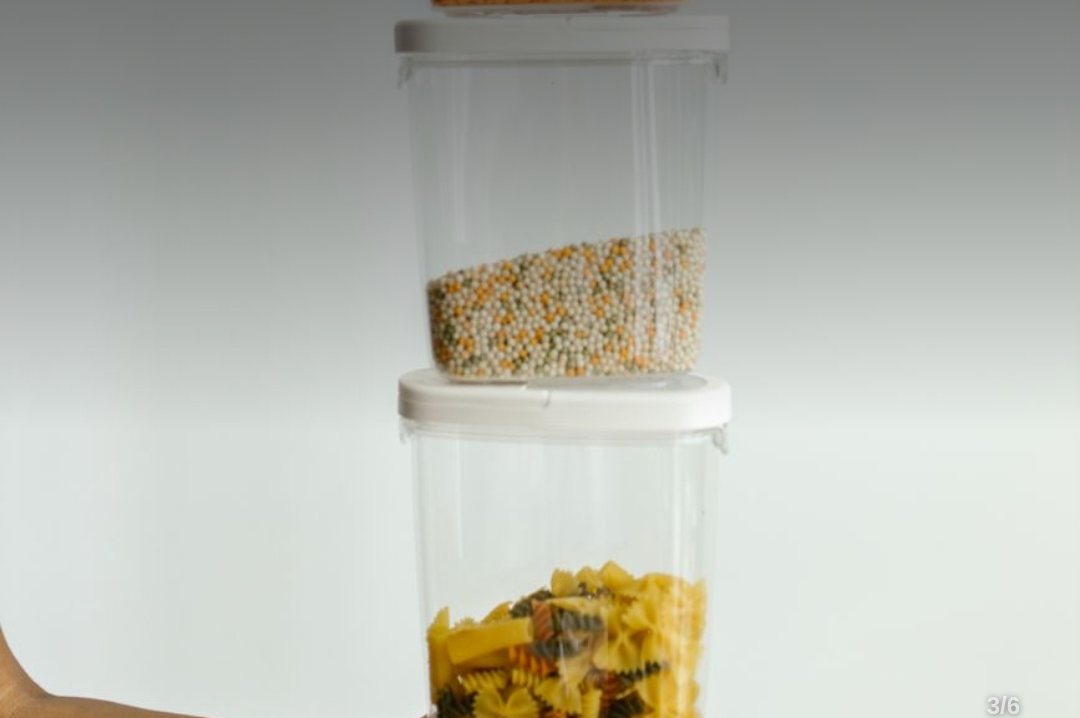
Leaving your holiday skewers uncovered on the counter is a recipe for rapid bacterial growth, even if they still look perfectly fine. To keep them safe, transfer the skewers to an airtight container as quickly as possible.
Store the container in the coldest part of your refrigerator, which is usually the back of the bottom shelf. Ensure your fridge temperature is set at or below 4°C (39°F) to slow down spoilage.
How to Tell If Your Leftovers Have Spoiled
Don't just rely on a quick sniff or visual check to decide if your leftovers are safe. To properly evaluate sanjeok, look closely at the texture and moisture.
Check for any surface stickiness, slimy residue, or cloudy liquids pooling at the bottom of the container. If you notice any of these signs, throw the skewers away immediately, even if the expiration date hasn't passed yet.
Delicious Ways to Repurpose Leftover Sanjeok
If your leftover skewers are still safe but you are tired of eating them plain, you can easily repurpose them. Try chopping them up to use in quick stir-fries, fried rice, or savory Korean stews.
However, if you detect even a slight off-odor, discoloration, or slimy texture, do not try to cook with them. Safety should always come first when managing holiday leftovers.
Common questions
When does the shelf life clock actually start for sanjeok?
For store-bought packaged skewers, the shelf life timeline begins the moment you open the package. For homemade skewers, the timeline starts immediately from the day they were cooked.
What are the clear signs that Korean holiday skewers have gone bad?
Beyond a bad smell or color change, look for physical changes. If the surface feels sticky or slimy, or if any liquids in the container look cloudy, the skewers are no longer safe to eat and should be discarded.