Are You Storing Your Mitbanchan (Korean Side Dishes) All Wrong?
Rethinking How We Store Korean Side Dishes
Many of us have a go-to routine for storing mitbanchan, the pre-made Korean side dishes served alongside rice (like seasoned spinach, glazed potatoes, or braised beef). But are those old-school methods actually keeping your food fresh? Let's look at why standard storage wisdom might be outdated and how you can preserve your food better.
Storing food improperly can lead to early spoilage or loss of flavor. By understanding the modern rules of food preservation, you can make sure your Korean home cooking stays delicious for days.
The Myth of Traditional Storage Habits
We often rely on storage habits passed down through families, assuming they are tried-and-true. However, modern packaging and processing mean these old rules do not always apply today.
Traditional methods often fail to account for modern kitchen environments. The safest and most reliable way to store store-bought side dishes is to follow the specific instructions on the product label or ask the seller directly.
Why Old Storage Methods Can Fail
The ideal shelf life for mitbanchan depends heavily on temperature, humidity, and how the food is packaged. Traditional storage habits were developed before modern refrigeration, meaning they do not account for these precise variables.
For example, modern refrigerators should maintain a steady temperature of 4°C (39°F) or below to prevent bacterial growth. Because older storage advice does not consider these modern standards, relying solely on old-school tips can lead to food spoiling faster than expected.
Smart Ways to Verify Food Storage
Always make the product packaging your first reference point for storage guidelines. If your side dishes are homemade or lack a clear label, categorize them by ingredient type to decide whether they belong in the fridge, the freezer, or at room temperature.
If you are still unsure, checking official food safety guidelines for similar ingredients is your safest option. When buying from a local market, don't hesitate to ask the merchant directly for the best storage advice.
Pro-Tips for Keeping Banchan Fresh Longer
To extend the shelf life of your side dishes, control the storage environment by paying close attention to temperature, humidity, and the containers you use. Keeping your fridge at a consistent 4°C (39°F) is key.
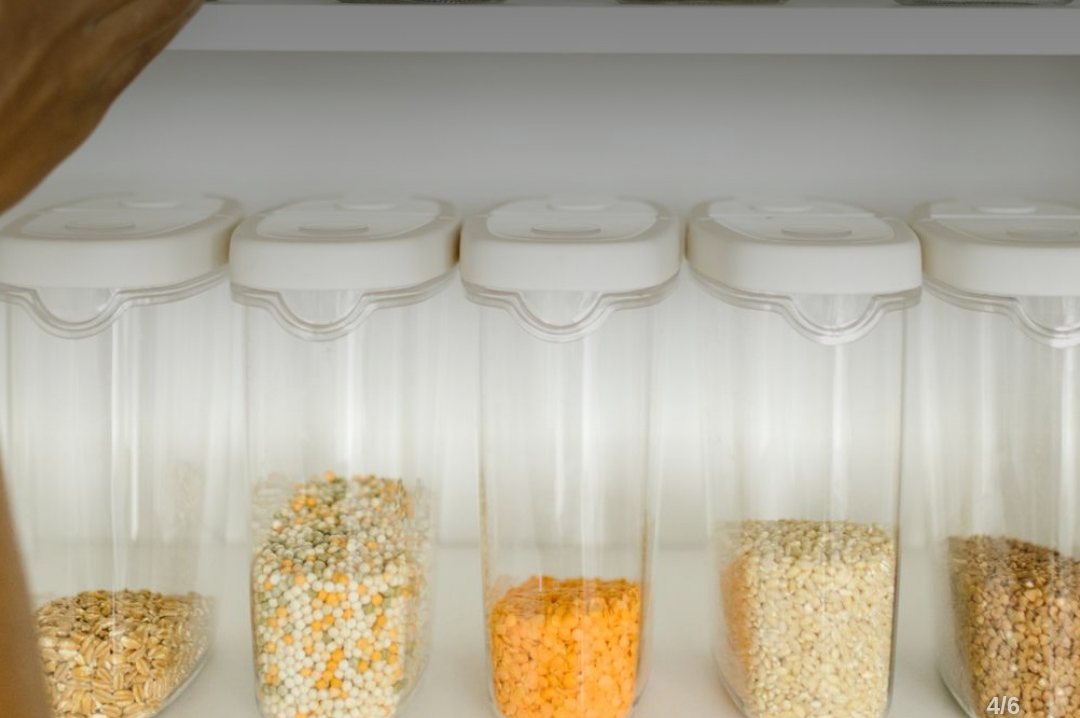
Using airtight glass or high-quality plastic containers will help seal out moisture and prevent cross-contamination. Adjusting these small details in your kitchen routine will keep your meals tasting freshly made for much longer.