Bread Storage Guide: Should You Freeze, Refrigerate, or Keep It on the Counter?
The Counterintuitive Truth About Storing Bread
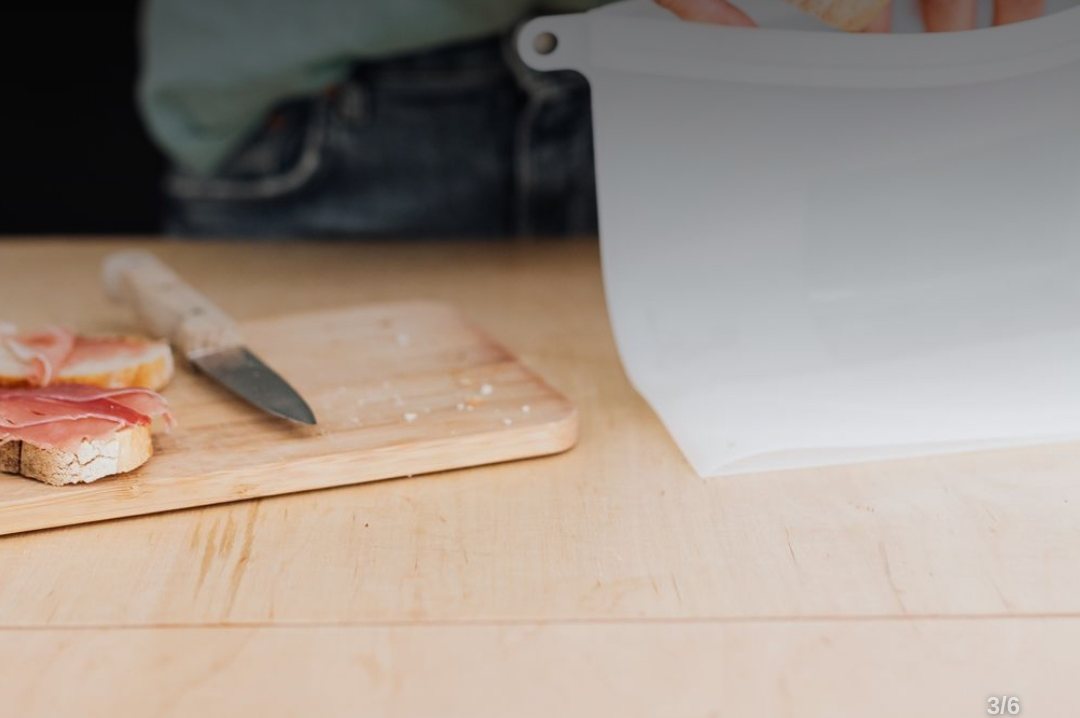
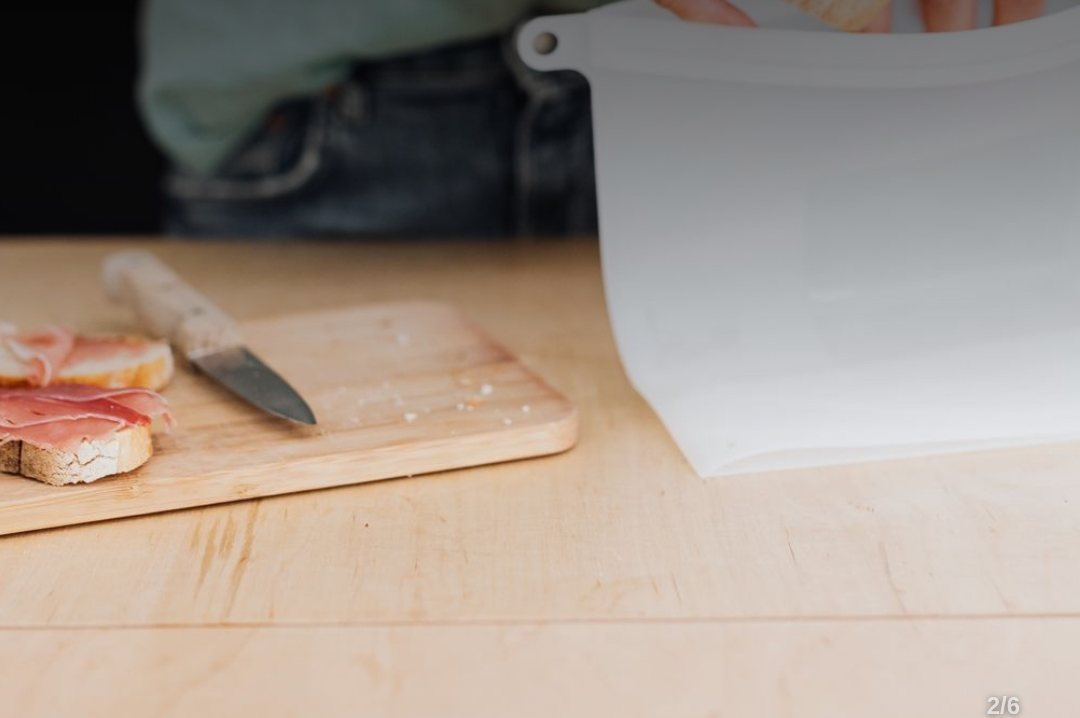
How do you store your leftover bread? Whether you just brought home a loaf of Korean style milk bread, known as wooyu sikppang, or standard sandwich bread, you might be keeping it in the wrong place.
While many people instinctively toss leftovers in the kitchen cabinet or fridge, these habits might actually be ruining your bread's texture. Let's look at why common storage habits don't always work.
The Common Refrigeration Mistake
Many people put bread in the refrigerator thinking it will prolong its shelf life. However, refrigerator temperatures between 2°C and 4°C (35°F to 40°F) actually accelerate the staling process, making the starch crystallize and turn dry.
Traditional storage habits often overlook this fact. Unless the bakery packaging specifically directs you to refrigerate it, keeping bread in the fridge is usually not recommended.
Why Storage Guidelines Vary
The optimal storage method depends heavily on temperature, humidity, and the packaging material. Because older, traditional methods did not account for modern packaging or home appliances, they can often lead to dry or moldy bread.
Always check the product packaging first. The bakery or manufacturer's specific instructions are the most reliable guide for keeping their specific recipe fresh.
How to Determine the Best Storage Method
First, look at the package label for storage instructions. If you bought fresh bakery items like danpatppang, a sweet red bean paste bread, without a label, default to standard bread rules.
Keep bread at room temperature if you plan to eat it within a day or two. If you need to store it longer, freezing is almost always the safer and more effective choice to preserve the texture.
Tips for Keeping Bread Fresh Longer
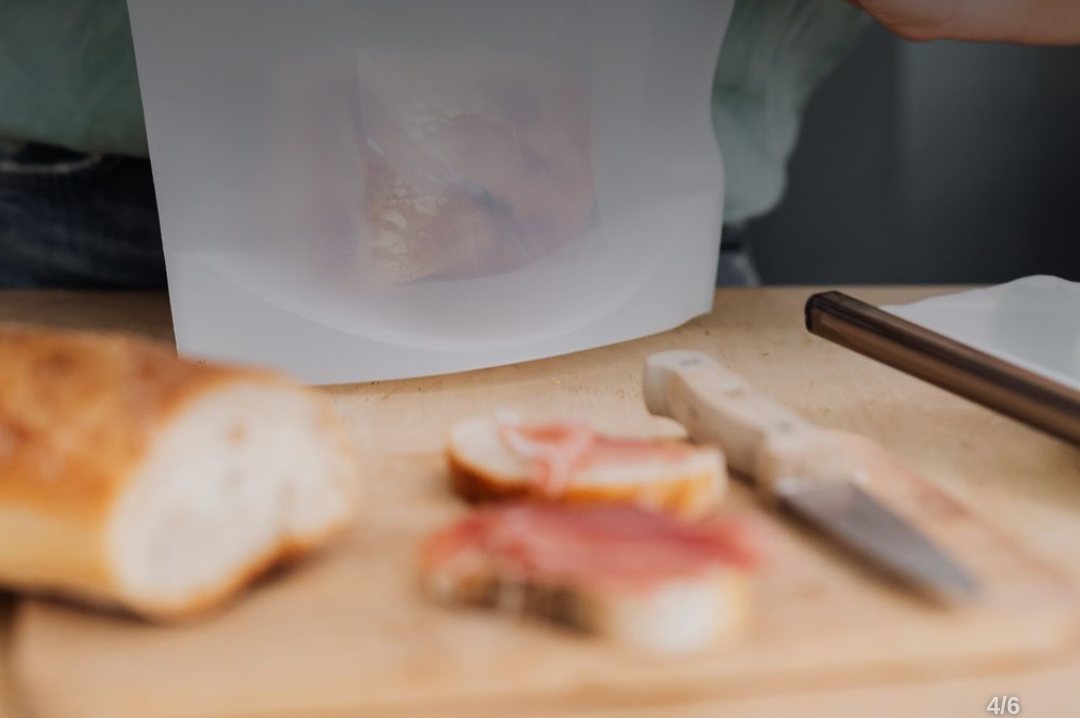
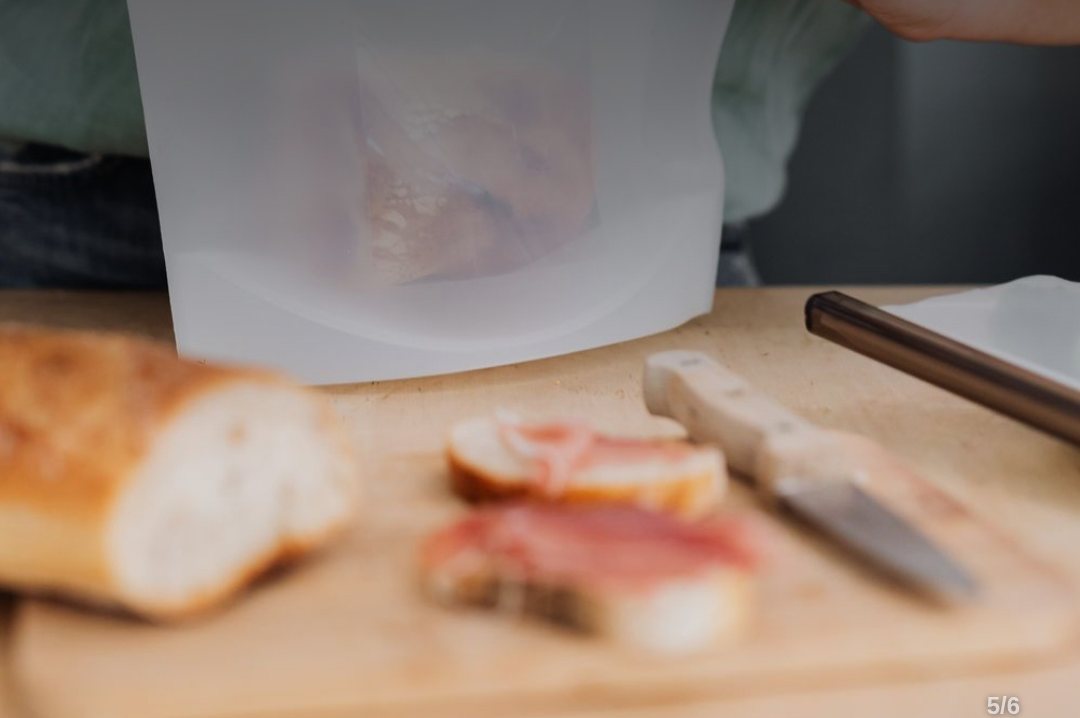
Freshness depends entirely on controlling your storage environment. Use airtight containers or tightly sealed freezer bags to prevent moisture loss.
If you cannot find specific instructions on the packaging, try to keep the bread in a cool, dry place away from direct sunlight, or slice and freeze it immediately.
Common questions
Is refrigerating bread always bad?
It isn't always wrong, but it generally dries bread out. If your bread has perishable fillings like cream or meat, or if the packaging specifically says to refrigerate, then you should follow those instructions.
How can I find the absolute best storage method for my bread?
The most reliable way is to check the product label or ask the staff at the bakery where you purchased it, as different dough formulations require different care.