Why Apples Are Ruining Your Fridge (and How to Store Them Right)

The Science of Ethylene: Why Apples Damage Nearby Produce
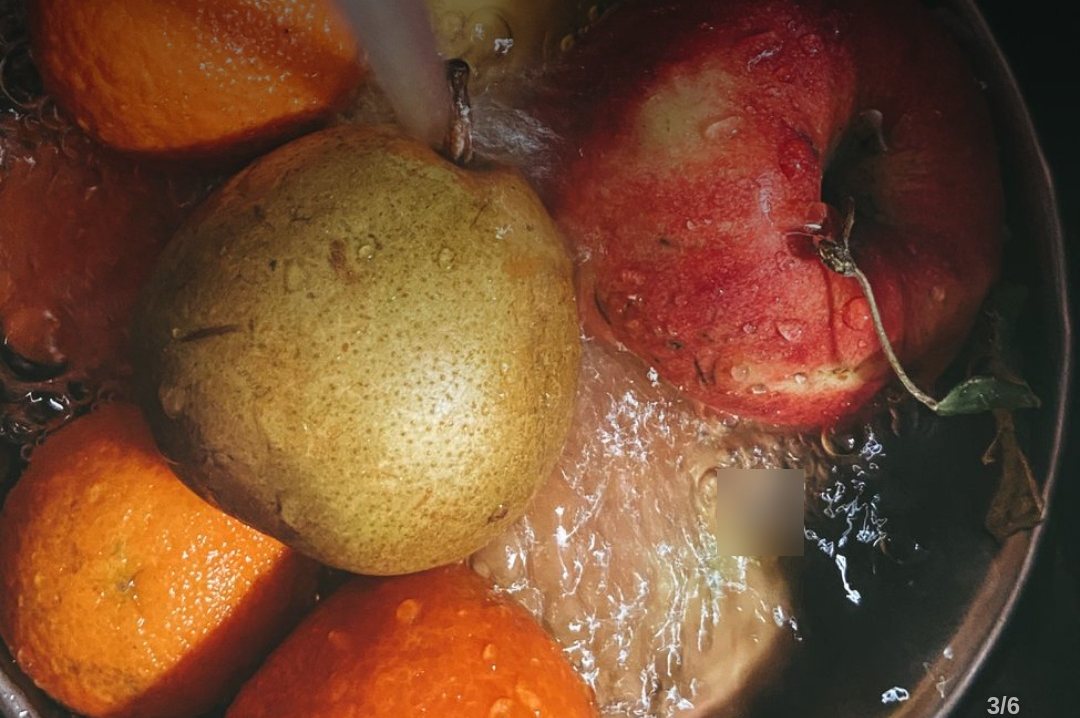
Apples are one of the biggest produce "villains" in your kitchen due to a natural plant hormone called ethylene. Apples naturally release ethylene gas as they ripen or when their skin is damaged, which triggers nearby fruits and vegetables to mature and age faster than normal.
Inside the tight, sealed environment of a refrigerator, concentrated ethylene gas breaks down chlorophyll and cell walls in surrounding crops. According to the USDA Agricultural Marketing Service, apples are high-ethylene emitters that rapidly destroy the quality of sensitive produce, turning crisp greens yellow, soft, and mushy.
Produce Compatibility: What Can and Cannot Share Space
Managing your fridge starts with isolating sensitive produce from apples. Leafy greens like lettuce and spinach, along with broccoli and cucumbers, are highly sensitive to ethylene and will turn yellow or rot quickly if kept near apples.
Items like grapes and strawberries are moderately neutral and can tolerate short-term co-living, but long-term exposure still speeds up their decay. Keep sensitive vegetables on higher shelves and isolate your apples in separate drawers or airtight containers.
Smart Isolation Strategies for Small Refrigerators
If limited fridge space forces you to store everything together, create a simple barrier. Place your apples inside a plastic bag and tie the top shut to block gas diffusion.
Poke one or two tiny holes in the plastic bag to allow moisture to escape. Without airflow, condensation from the apple's natural respiration builds up inside the bag and causes mold.
Position bagged apples in the deepest part of the bottom crisper drawer, keeping delicate leafy greens on the top shelf as far away as possible. Try to eat bagged apples quickly, as tight containment eventually degrades the apple's own texture.
Long-Term Prevention Tips for Peak Freshness
Inspect fresh apples right after buying them and eat any bruised ones immediately. Damaged apples emit significantly higher levels of ethylene gas than unblemished ones.
Wrapping each apple individually in newspaper or paper towels is a simple way to extend shelf life. The paper absorbs excess ethylene gas while retaining just enough humidity to keep the fruit crisp and unwrinkled.
Make it a habit to clean out your produce drawer regularly. Storage experts note that removing overripe or decaying produce promptly can improve overall fridge storage efficiency by more than 30 percent.
Common questions
Should I wash apples before storing them in the fridge?
No, you should keep apples dry until you are ready to eat them. Washing introduces surface moisture that encourages mold growth inside the fridge.
Are vegetables that turned yellow from ethylene gas safe to eat?
Yellowing caused purely by ethylene gas is technically safe to eat, but the texture will be soft and degraded. Because broken-down cell walls increase the risk of bacterial growth, it is best to avoid eating severely softened produce.