Is Your Pillow Causing Acne and Coughing? How to Tell It's Time for a New One
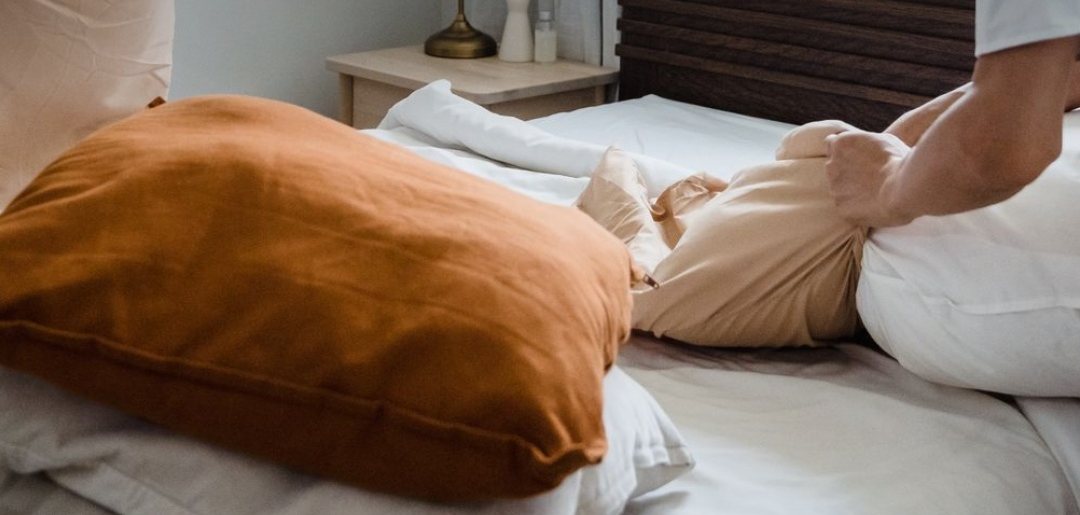
Why Your Pillow Declines over Time
Every single night, our faces come into direct contact with our pillows. While we sleep, our bodies naturally release sweat, sebum, and dead skin cells. In fact, an average adult loses about 200 ml (about 6.8 fl oz) of moisture every night. This moisture and oil seep straight through the pillowcase and into the filling below.
This creates a dark, warm, and humid environment inside the pillow—the absolute perfect breeding ground for dust mites (Dermatophagoides) and bacteria. According to the Asthma and Allergy Foundation of America (AAFA), after two years of use, a significant portion of a pillow's weight can consist of live dust mites, dead mites, and their microscopic droppings.
Beyond hygiene, pillows physically break down. Supporting the weight of your head for six to eight hours a night causes the filling to permanently lose its structural support. When a pillow loses its bounce, it can no longer support the natural curve of your neck. This strains the muscles around your neck and shoulders, which can worsen alignment issues like forward head posture or neck pain.
Three Easy Ways to Test Your Pillow at Home
Not sure if it is time to throw out your current pillow? Use these three simple checks to see if your pillow has reached the end of its life.
First, try the fold test. Fold a standard fiberfill pillow in half and let go. If it stays folded instead of immediately springing back to its original shape, the filling has lost its resiliency. For memory foam or latex pillows, press down firmly; if the material takes a long time to rise back up, the support is gone.
Second, inspect the hygiene. Strip off the pillowcase and look at the bare pillow. If you see widespread yellow sweat stains or notice a musty smell that persists even after washing, deep-seated mold and bacteria have already taken over.
Third, watch your body's reactions. If you wake up with unexplained sneezing, a stuffy nose, or a morning cough—or if you are dealing with persistent breakouts on your cheeks and jawline—your body might be reacting to built-up allergens and dust mites inside your pillow.
Lifespan Differences: Polyester, Memory Foam, and Down
Different materials require different care and have varying lifespans. Knowing what is inside your pillow helps you manage its durability.
Polyester and synthetic fiberfill pillows are highly popular because they are affordable and easy to machine-wash. However, they have the shortest lifespan, lasting only about 1 to 1.5 years. Over time, repeated washings cause the synthetic fibers to clump up, creating an uneven surface.
Memory foam and latex pillows offer excellent neck support and typically last around 2 years. While these materials are naturally a bit more resistant to microbes, you should never wash them with water. Getting them wet can cause the inner structure to tear, crumble, or disintegrate completely.
Down and feather pillows are incredibly resilient and can last 2 to 3 years. However, they are highly sensitive to humidity. They need to be aired out regularly in the shade, or the natural feathers can develop a strong, unpleasant odor.
Expert Tips to Extend Your Pillow's Lifespan
Proper daily care can keep your pillow sanitary and supportive for its entire intended lifespan.
Always use a zippered pillow protector underneath your decorative pillowcase. A high-quality, water-resistant, or allergen-proof protector acts as a barrier, preventing sweat, oils, and droppings from reaching the actual filling.
Give your pillow a good fluff every morning. Gently shaking and patting your pillow restores air pockets between the filling, helping it maintain its loft while releasing trapped moisture, dust, and loose hair.
Sanitize your bedding regularly. Sun-drying your pillows once a week or using a dryer's non-heat air fluff cycle helps eliminate dust mites. Keep in mind that memory foam and latex should never be exposed to direct sunlight or high heat, as they will degrade; always air-dry those materials in a shady, breezy spot.
Protecting Your Sleep and Health
To protect your skin and respiratory health, plan to replace your pillows every two years. If your pillow fails the fold test or shows stubborn yellow stains, do not hesitate to swap it out for a fresh one.
Taking care of what you sleep on directly impacts your sleep quality and overall physical wellness. In our next guide, we will look at another bedroom essential: the lifespan and proper cleaning schedule for mattress toppers and mattress pads.
Common questions
Can I wash a fiberfill pillow in the washing machine?
Yes, synthetic polyester fiberfill pillows can be machine-washed, but frequent washing will cause the filling to clump and lose its shape over time. Never wash memory foam or latex pillows, as water destroys their inner structure.
Do baby pillows need to be replaced more often than adult pillows?
Yes, infants and toddlers tend to drool, sweat, and spit up more frequently. Because of this moisture buildup, baby pillows require much more frequent hygiene checks and should be replaced sooner than adult pillows.
Can I keep using an expensive latex pillow for more than five years?
Even high-end latex pillows should be replaced after about two years. Over five years, invisible sweat, dead skin cells, and dust mites accumulate inside, and the latex loses the structural elasticity needed to properly support your neck.