How to Store Meat After Removing Blood: Why Drying and Sealing Keep It Fresh
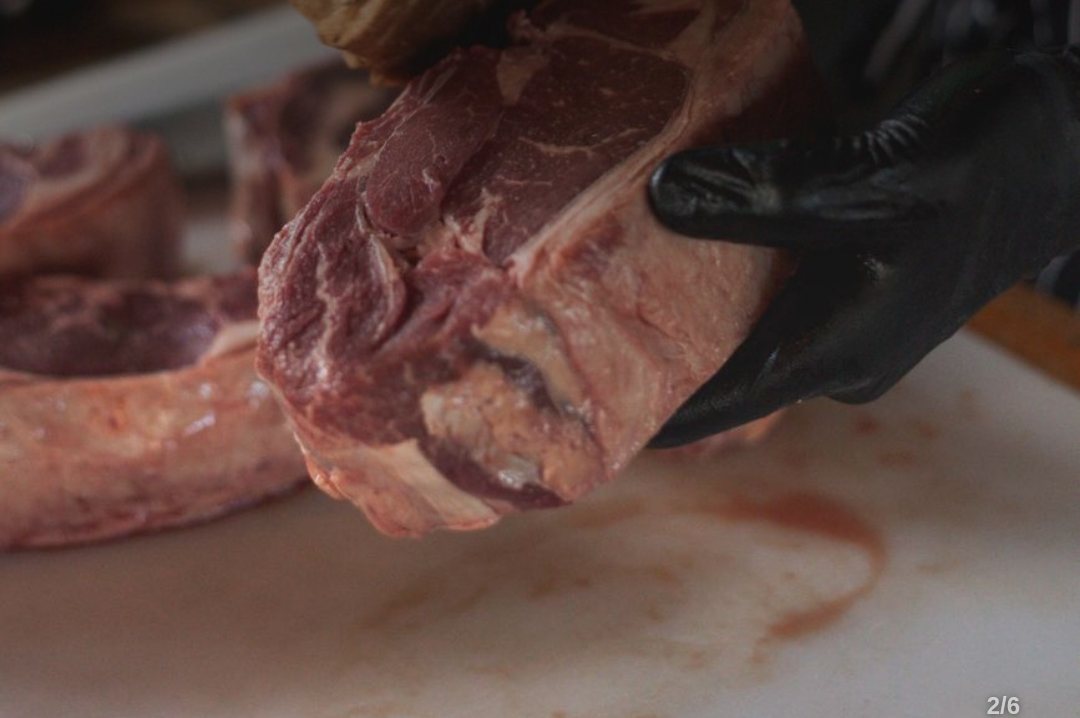
Why Prepped Meat Spoils Faster Than You Think
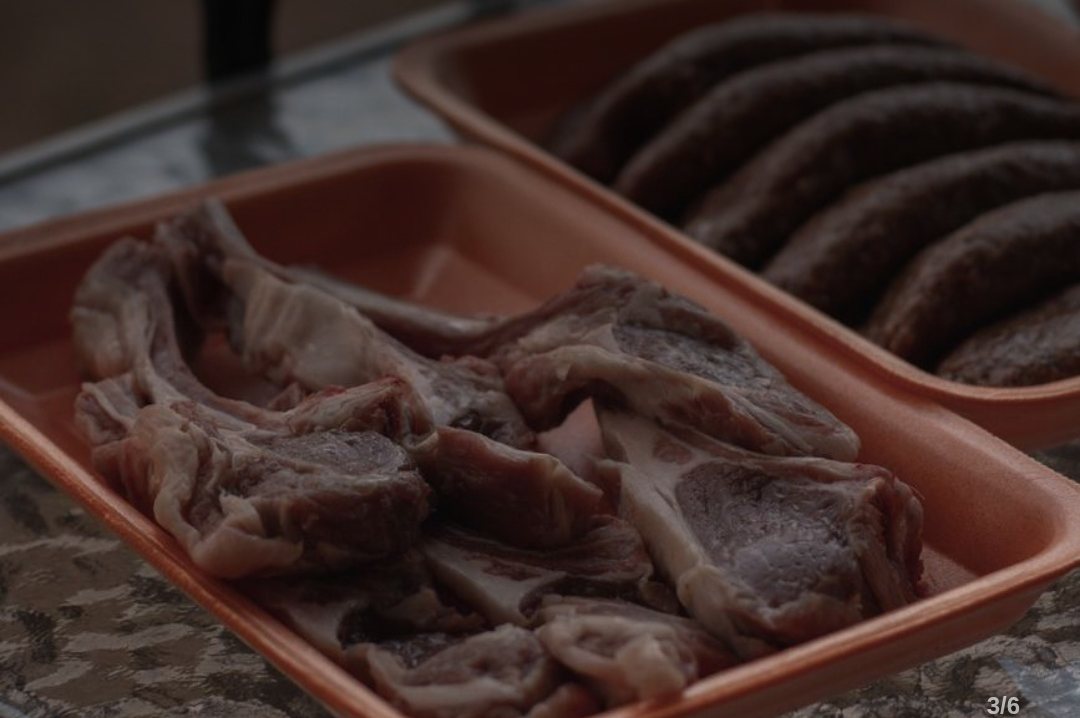
Have you ever soaked meat to draw out the blood for a clean Korean recipe, only to find it spoiled faster in the fridge? In Korean cuisine, soaking beef or pork in cold water—a process called pismul jegoe (purging blood or myoglobin)—is a common pre-cooking step to ensure a clean, mild broth for dishes like galbi-tang (beef short rib soup). However, failing to dry this prepped meat thoroughly is a recipe for rapid spoilage.
Whether you are rinsing meat or soaking it, moisture is the ultimate enemy of freshness. If you do not dry and seal the meat properly, harmful bacteria will multiply rapidly. Let's look at the science of why this happens and how you can keep your meat perfectly fresh for up to 48 hours.
The Science Behind Wet Meat and Spoilage
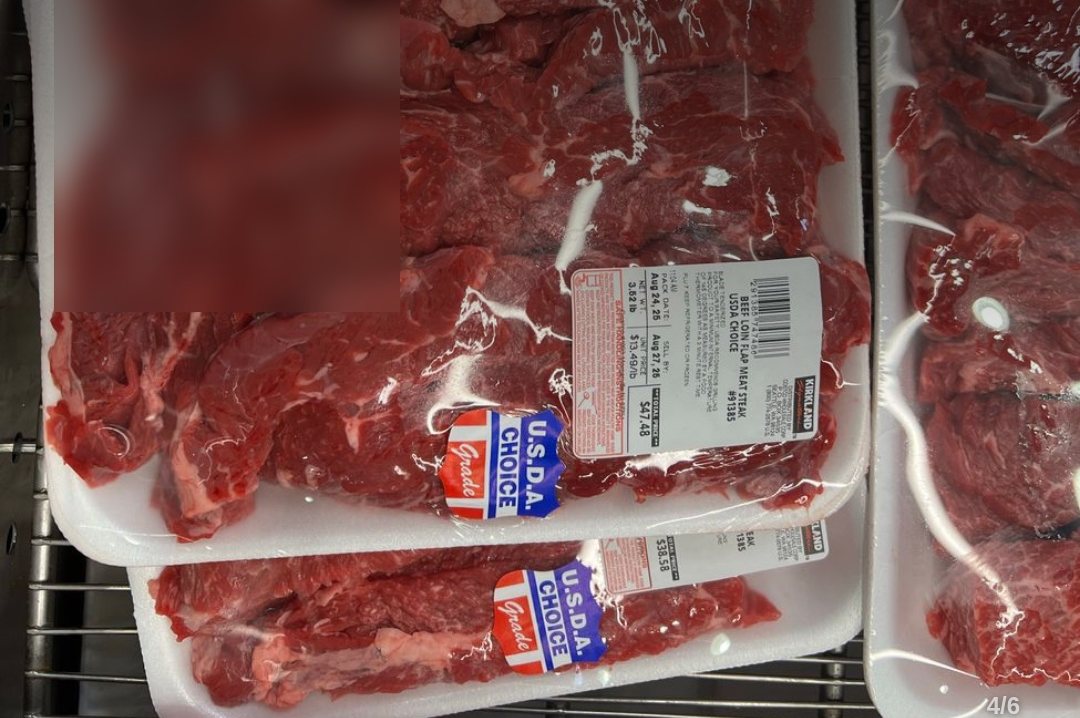
Many home cooks believe that washing meat or soaking it makes it cleaner and safer. However, leaving moisture on the surface of the meat actually creates the perfect high-humidity breeding ground for microbes. When water activity levels rise, bacterial growth speeds up exponentially.
When meat comes into contact with water, it also damages the cell membranes. This causes a phenomenon called dripping, where valuable nutrients and moisture leak out of the meat cells. According to the USDA Food Safety and Inspection Service, washing raw meat is not recommended because it can splash bacteria like Campylobacter or Salmonella onto your kitchen surfaces while actively promoting bacterial growth on the wet meat.
The 4-Step Guide to Safely Storing Prepped Meat
To keep your soaked or washed meat fresh, you must manage it systematically. Follow these four essential steps to maximize its shelf life.
Step 1: Dry the surface completely. Gently pat both sides of the meat with clean paper towels until all surface water and blood are completely absorbed.
Step 2: Line your container with paper towels. Place a few layers of paper towels at the bottom of your storage container. This catches any residual juices (drip) that leak out during storage, preventing the meat from sitting in its own moisture.
Step 3: Seal it airtight. Exposure to air oxidizes fat and feeds aerobic bacteria. Wrap the meat tightly with plastic wrap to eliminate air pockets, then double-bag it in a zipper bag or airtight container. Vacuum sealing is the absolute best method.
Step 4: Keep to the 2-day rule. Once meat has been wet or prepped, the risk of contamination is higher. Keep it in the coldest part of your fridge at 4°C (39°F) or below, and cook it within 48 hours. If you need to keep it longer, freeze it immediately.
Storage Tips by Meat Type and Cut
Different types of meat spoil at different rates. Beef generally has lower moisture content and a lower pH than pork or poultry, meaning it spoils slightly slower.
Chicken and other poultry have high moisture levels and tender fibers, making them highly susceptible to rapid bacterial growth. Once washed or prepped, poultry should be cooked within 24 hours.
The cut of meat also matters. Ground meat has a massive surface area exposed to air, making it oxidize and contaminate incredibly fast. You should avoid soaking ground meat entirely; if it does get wet, cook it immediately rather than trying to store it.
Temperature Controls and Freezing Tips
To keep your meat safe, fridge placement is key. Avoid storing meat in the refrigerator door where temperatures fluctuate constantly. Instead, place it deep inside the fridge or in the dedicated meat drawer (chiller zone) where the temperature stays consistently at or below 4°C (39°F).
If you plan to freeze the meat, the rules of drying and sealing still apply. Freezing wet meat causes large ice crystals to form, which rupture the cell walls. When thawed, this results in excessive dripping, leaving the meat dry, flavorless, and prone to rapid spoilage. If your freezer has a quick-freeze function, use it to preserve the texture.
Protecting Your Kitchen and Family
In summary, storing meat safely after removing blood comes down to thorough drying, using paper towels to absorb leaks, airtight sealing, and cooking within two days. Changing these small storage habits will prevent foodborne illness and preserve the natural flavor of your meat.
This guide is based on USDA food safety standards. Because home refrigerators and meat freshness vary, always inspect your food before cooking. If the meat smells sour, feels slimy, or has turned a greyish color, do not consume it—discard it immediately.
Common questions
Can I just pat the meat dry with a paper towel instead of soaking or washing it?
Yes, this is highly recommended. For everyday cooking, simply patting the surface of the meat with a clean paper towel to remove excess blood and moisture is much safer and cleaner than washing it under water, as it prevents the spread of bacteria.
Do I need to change the paper towels in the container every day?
No, you do not need to change them daily if you plan to cook the meat within two days. However, if you notice the paper towels are completely saturated and soggy from meat juices, swap them out for fresh ones to maintain hygiene.
Is meat safe to eat immediately after thawing if it was frozen after blood removal?
Freezing only pauses bacterial growth; it does not kill bacteria. Always thaw meat slowly in the refrigerator or in cold water rather than at room temperature, and cook it immediately after thawing to prevent rapid bacterial multiplication.