How to Store Korean Delivery Leftovers: Fridge vs. Freezer Guide
The Science of Why Leftovers Spoil So Fast
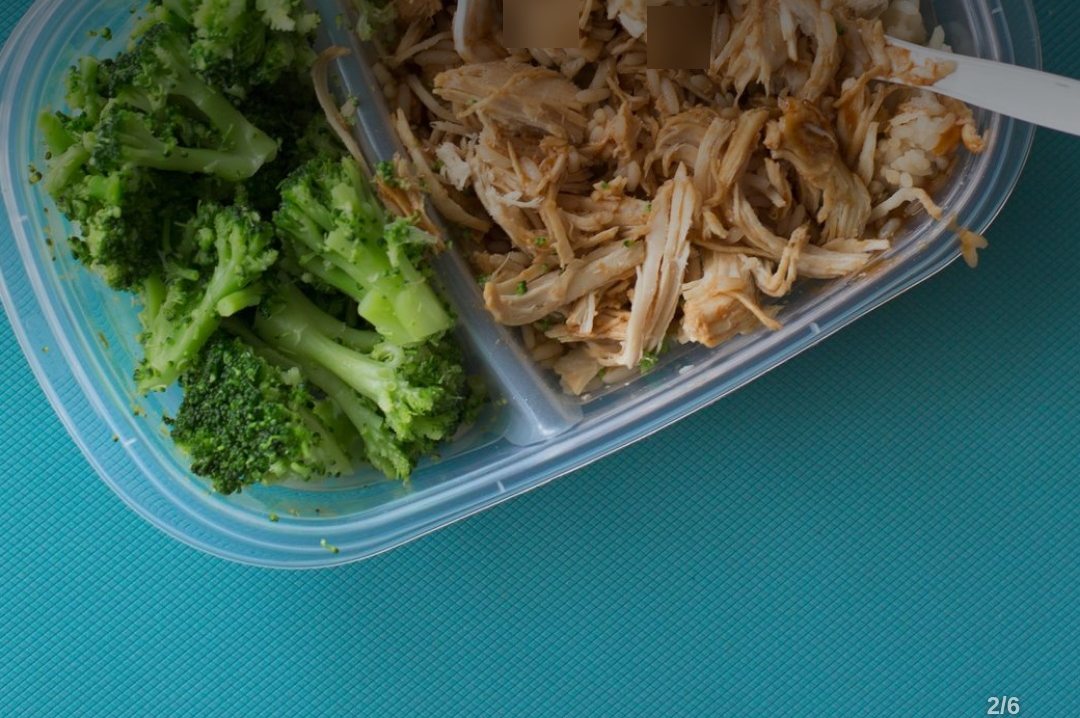
With the rise of delivery apps, saving leftovers has become a daily habit. However, throwing warm containers straight into the fridge or saving food you have already eaten from directly can quickly lead to food poisoning.
When you put hot food into a cold fridge, it causes a heat convection effect. This raises the internal temperature of the fridge, putting nearby food at risk and lowering the appliance's cooling efficiency.
Furthermore, human saliva contains bacteria and amylase, an enzyme that breaks down starches. Leaving food that has touched your saliva in the danger zone—between 5°C (41°F) and 60°C (140°F)—allows bacteria like Staphylococcus aureus and Bacillus cereus to multiply exponentially.
Fridge vs. Freezer: Recommended Storage Times for K-Food
Different types of Korean delivery foods require specific storage methods depending on their moisture and fat content. Always use airtight containers to preserve quality and safety.
For jokbal, which are soy-braised pig's trotters, and bossam, or boiled pork belly wraps, keep them in the fridge for only 1 to 2 days, or freeze them for up to 1 month. Fried chicken and tangsuyuk, a crispy sweet and sour pork dish, will get soggy in the fridge within 2 to 3 days, but can be frozen for up to 1 month and crisped up later in an air fryer.
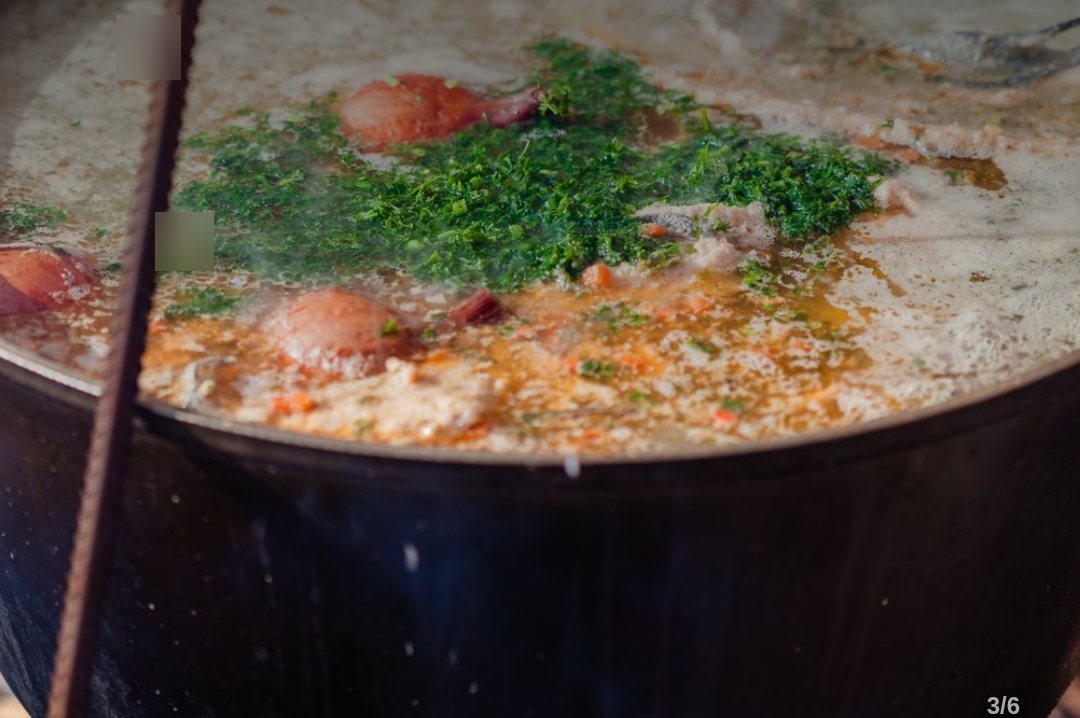
Soups and jjigae, which are hearty Korean stews, must be boiled once before storing; they keep in the fridge for 2 to 3 days or the freezer for up to 2 months in expansion-safe containers. Pizza keeps in the fridge for 1 to 2 days or the freezer for up to a month, but jajangmyeon, or black bean noodles, bloat quickly and do not freeze well.
Keep in mind that high-fat meats and fried foods will still oxidize and develop off-odors in the freezer over time. For the best taste and safety, try to consume frozen leftovers within one month.
How to Prep and Pack Leftovers Safely
Never put boiling hot food directly into the fridge. To cool it quickly without leaving it in the danger zone for too long, place the container in an ice bath or spread the food onto a wide tray before refrigerating.
If you are storing leftover soups or stews that you have eaten from, transfer them to a pot and bring them to a boil first. This simple step kills heat-sensitive bacteria and extends their safe storage life.
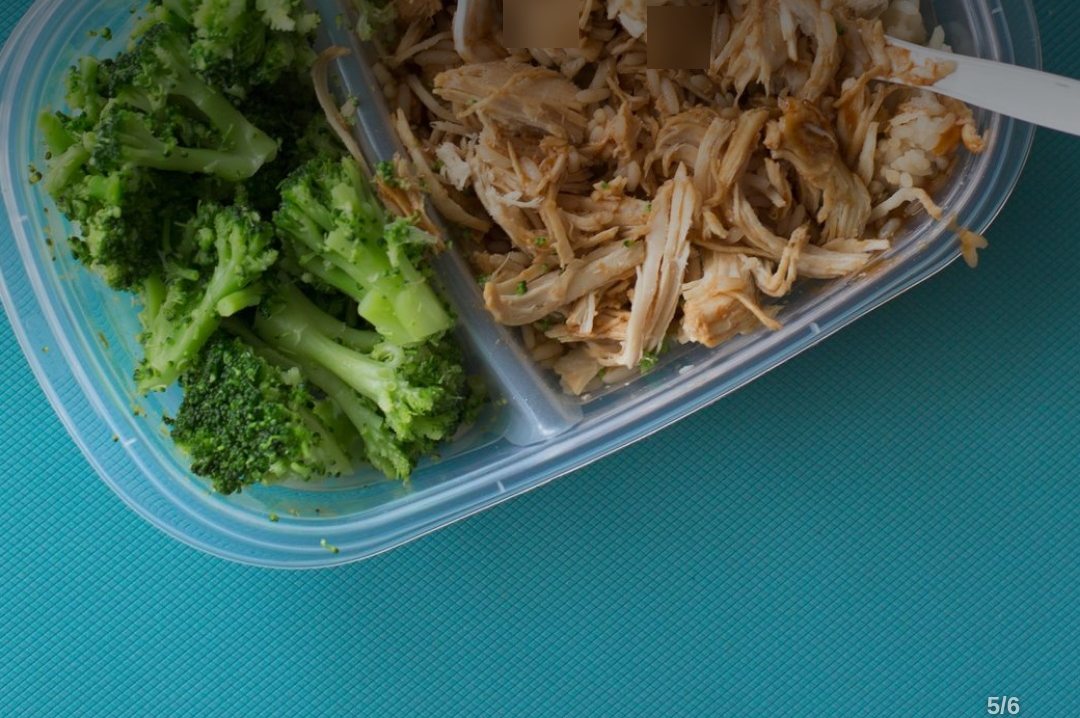
Additionally, avoid keeping food in its original plastic delivery containers. These flimsy plastics do not seal perfectly, leading to moisture loss and cross-contamination, so always transfer leftovers to glass or stainless steel airtight containers.
Keeping Your Fridge Clean and Cold
To keep your food safe, maintain your refrigerator temperature below 5°C (41°F) and your freezer below -18°C (0°F). Do not pack your fridge past 70% capacity, as overcrowded shelves block cold air circulation and raise the internal temperature.
Wipe down your shelves weekly with rubbing alcohol or a baking soda solution to prevent the growth of cold-tolerant bacteria like Listeria. Finally, if you thaw frozen leftovers, never refreeze them; eat them immediately or discard them to prevent a bacterial explosion.
Eat Safe and Enjoy Your Leftovers
Storing delivery food safely is just as important as ordering it. By cooling your food quickly, transferring it to airtight containers, and reheating it thoroughly, you can enjoy your favorite Korean meals a second time without worrying about stomach issues.
Common questions
Can I eat leftover jokbal that has been in the fridge for a week?
We do not recommend it. Cooked meats should only be kept in the fridge for 1 to 2 days, as food-poisoning bacteria can still grow even if the meat looks and smells fine after a week.
What is the best way to freeze leftover pizza?
Wrap each pizza slice individually in plastic wrap to prevent freezer burn, then place them together in a zip-top bag or airtight container. This locks in moisture so it reheats beautifully.
Are bacteria completely killed when food is frozen?
No, freezing food below -18°C (0°F) only inactivates microbes or slows down their growth. Once the food thaws and warms up, any dormant bacteria will wake up and start multiplying again.