Why You Should Never Put a Pizza Box in the Fridge (And How to Store Leftovers Right)
The Hidden Danger of Storing Pizza in the Box
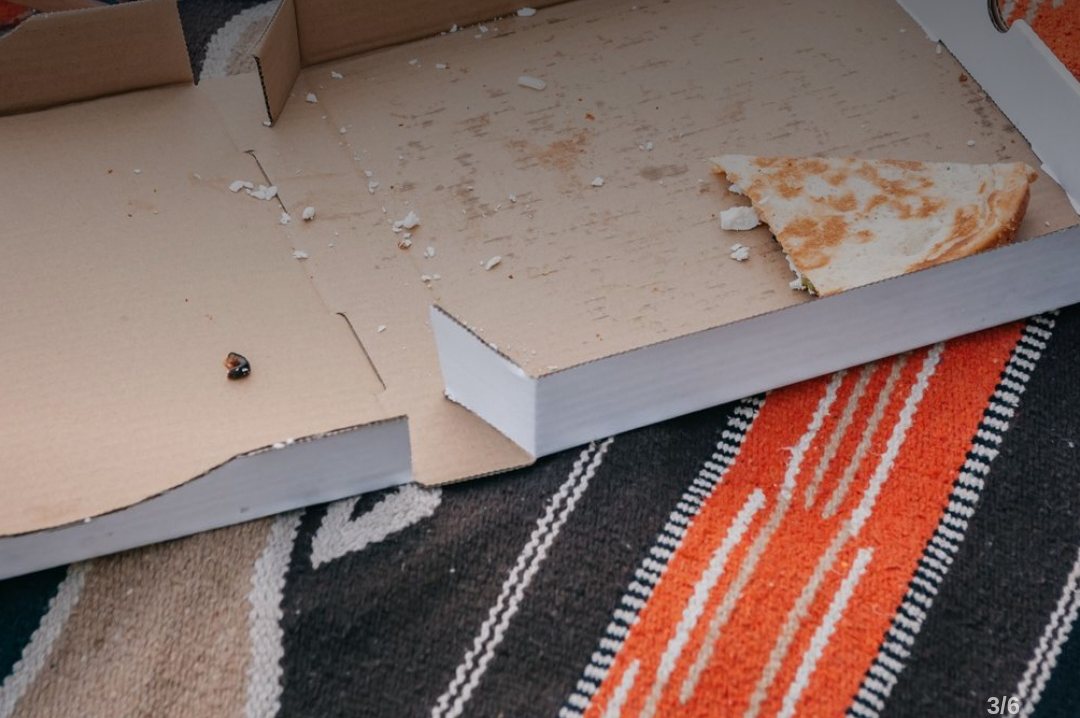
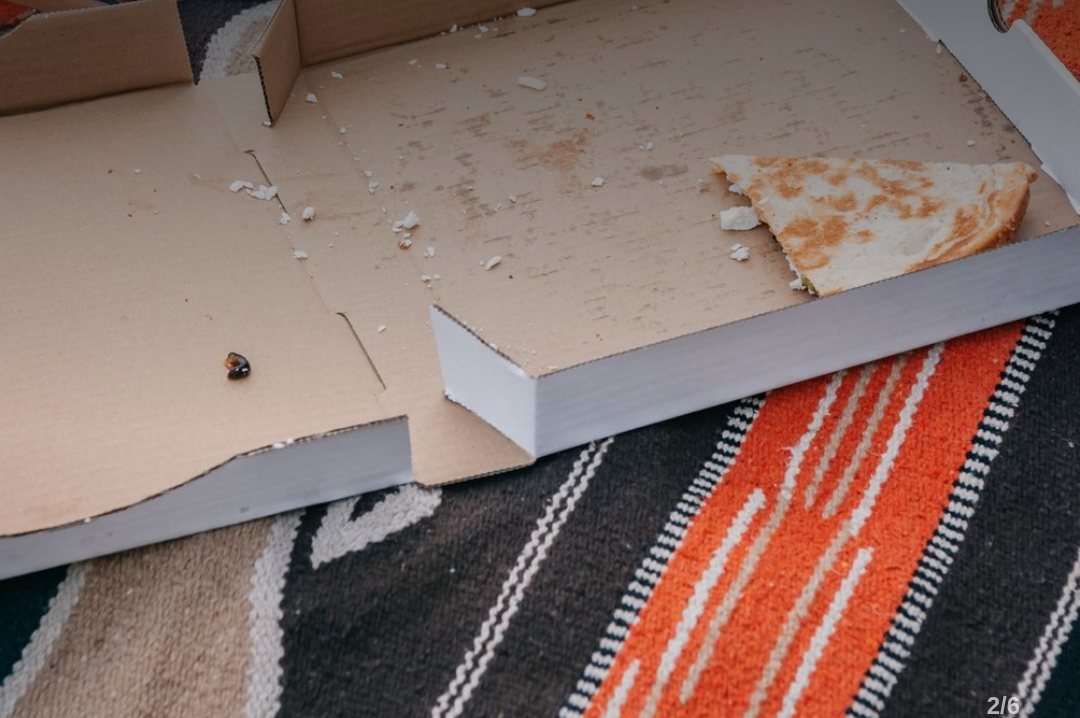
After a fun birthday party, it is tempting to just slide the leftover pizza box straight into the fridge. However, storing leftovers inside a cardboard pizza box ruins the flavor and poses a serious hygiene risk.
Cardboard boxes are designed to protect pizza during delivery, but they are not airtight. Cardboard easily absorbs and holds moisture from the refrigerator's circulating air. This damp environment creates a perfect breeding ground for mold and bacteria.
According to USDA food safety guidelines, cooked food should not sit in the "Danger Zone" between 4°C (39°F) and 60°C (140°F) for more than two hours. Cardboard boxes also collect dust and contaminants during manufacturing and transport, which can cause cross-contamination in your fridge. If you want to avoid soggy crusts and rubbery cheese, you need to seal your leftovers properly.
The Golden Rules of Leftover Pizza Storage
To keep your leftover pizza safe and delicious, follow these specific storage guidelines. How long your food sits out and how you wrap it makes all the difference.
First, check the room temperature limit. Pizza should not sit out at room temperature for more than two hours, or just one hour during hot summer weather. If it has been sitting out longer than that, bacteria have likely started to grow, and it is safest to throw it away.
Second, wrap and portion your slices. Avoid stacking slices directly on top of each other. Wrap each slice individually to minimize contact with air.
Finally, follow these strict storage timelines: - Room temperature: Up to 2 hours maximum (not recommended) - Refrigerator: 1 to 2 days (the starch in the crust hardens quickly in the fridge) - Freezer: Up to 1 month (the best method for long-term storage)
For the best results, wrap each slice tightly in plastic wrap to squeeze out the air, then place the wrapped slices inside a heavy-duty freezer bag for a double seal.
Reheating Methods: Fridge vs. Freezer
If you plan to eat the pizza the next day, refrigerating it is fine. However, if you want to keep it for three days or more, freeze it immediately. This has to do with starch retrogradation.
Carbohydrate-rich foods like bread, pizza dough, or tteok, which are traditional Korean chewy rice cakes, lose their texture quickly when cold. Freezing them rapidly below -18°C (0°F) locks in the moisture structure, so they taste fresh when reheated.
If you are reheating refrigerated pizza, the crust might be a bit dry. Place a mug of water in the microwave alongside your pizza and heat for 1 to 1.5 minutes. The evaporating water keeps the crust from turning into cardboard.
For frozen pizza, the air fryer is your best option. Do not thaw the pizza first. Bake it at 180°C (356°F) for 4 to 5 minutes to get a crispy crust and perfectly melted cheese. If you must use a microwave, cover the slice with a damp paper towel and microwave for 1.5 to 2 minutes.
Smart Habits to Prevent Pizza Spoilage
Keeping your leftovers safe starts before the party even ends. Simple preventative habits during your gathering will keep your food clean.
Always use clean serving tongs or a cake server when plate-sharing during a party. Avoid touching slices with bare hands or pre-used utensils. Saliva and hand contact introduce bacteria and enzymes that speed up spoilage.
As the party winds down, pack up the leftover slices immediately. Make portioning and wrapping the pizza a regular part of your clean-up routine to avoid leaving food out overnight. These small steps protect your health and preserve the taste of your food.
Common questions
Can I wrap leftover pizza in parchment paper instead of plastic wrap?
Yes, wrapping slices in parchment paper is a great way to keep them from sticking together. However, parchment paper is not completely airtight, so you must still place the wrapped slices inside a sealed ziplock bag or airtight container to prevent freezer burn.
Is pizza still safe to eat if it has been frozen for over a month?
While bacteria cannot grow at freezer temperatures below -18°C (0°F), frozen pizza will still lose quality over time. Extended freezing causes freezer burn, which dries out the cheese and crust. For the best flavor and texture, eat frozen pizza within one month.
Does putting a cup of water in the microwave actually help reheat pizza?
Yes, it works. Microwaves heat food by vibrating water molecules, which quickly evaporates the moisture inside your pizza crust. Adding a cup of water creates steam inside the microwave, keeping your pizza soft and preventing the crust from getting tough and chewy.