How to Prep and Store Seafood to Prevent Bacteria and Freezer Burn
Why Freezing Seafood Isn't Always Enough
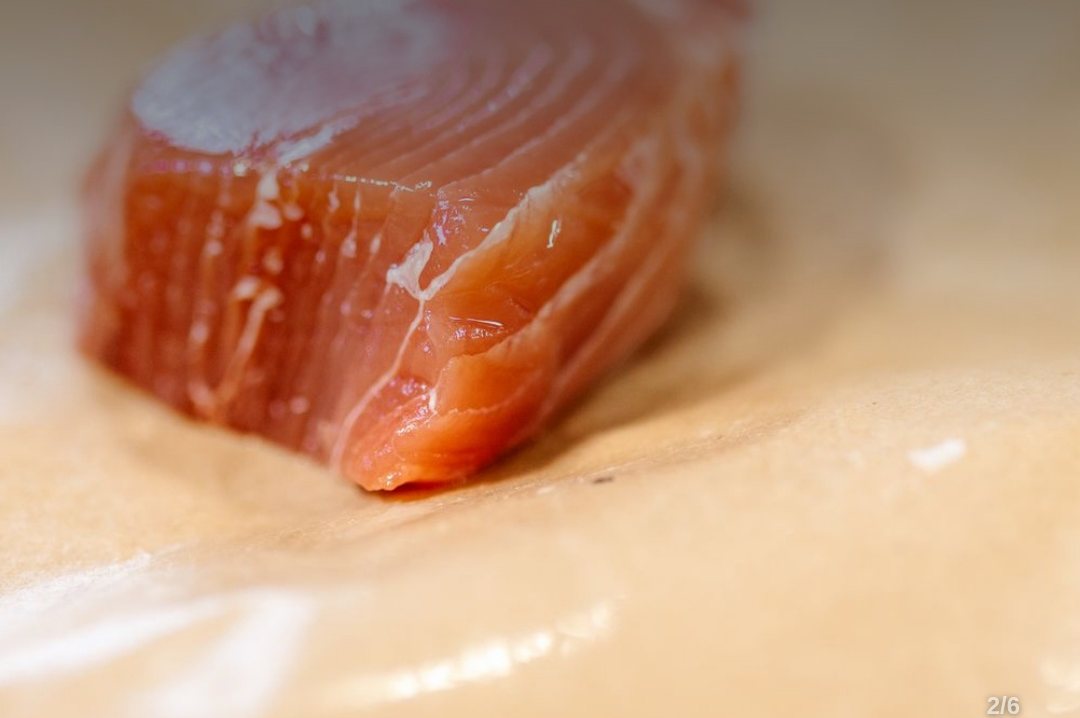
Tossing fresh seafood straight into the freezer might seem like the easiest way to preserve it, but improper prep can turn your appliance into a safe haven for foodborne bacteria. Freezing uncleaned or wet seafood gives microbes an easy pass to degrade your food.
Taking a few deliberate steps to clean, dry, and seal your seafood before freezing keeps your meals safe and preserves peak flavor and texture.
The Science Behind Seafood Spoilage
Seafood spoils much faster than beef or pork due to its high moisture content and delicate muscle structure. Fish muscle tissues hold significant water between fibers, creating an ideal environment for bacterial growth.
According to food safety standards from the U.S. Food and Drug Administration (FDA), common bacteria like *Vibrio* and *Listeria* thrive in high-moisture environments. Freezing temperatures alone do not completely stop their metabolic activity. If you freeze seafood without drying the surface first, large ice crystals form and rupture the delicate cell walls. When thawed, nutrient-rich fluid leaks out of these damaged cells, acting as food to accelerate bacterial growth.
Prep Checklist by Seafood Type
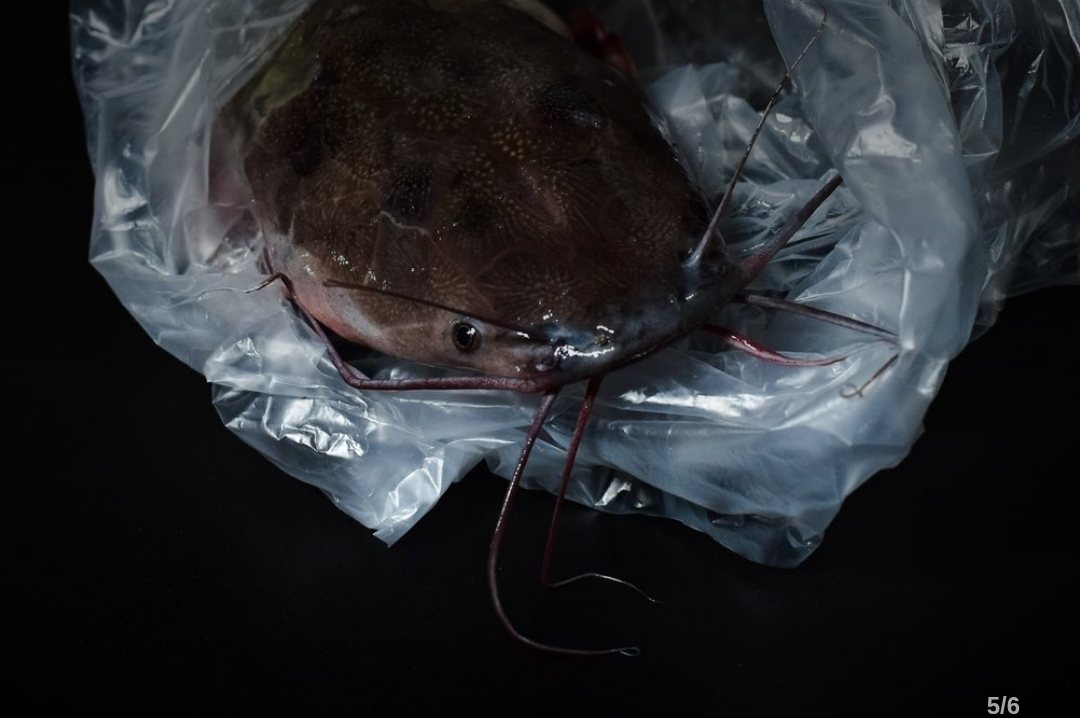
Different types of seafood require specific handling before storage:
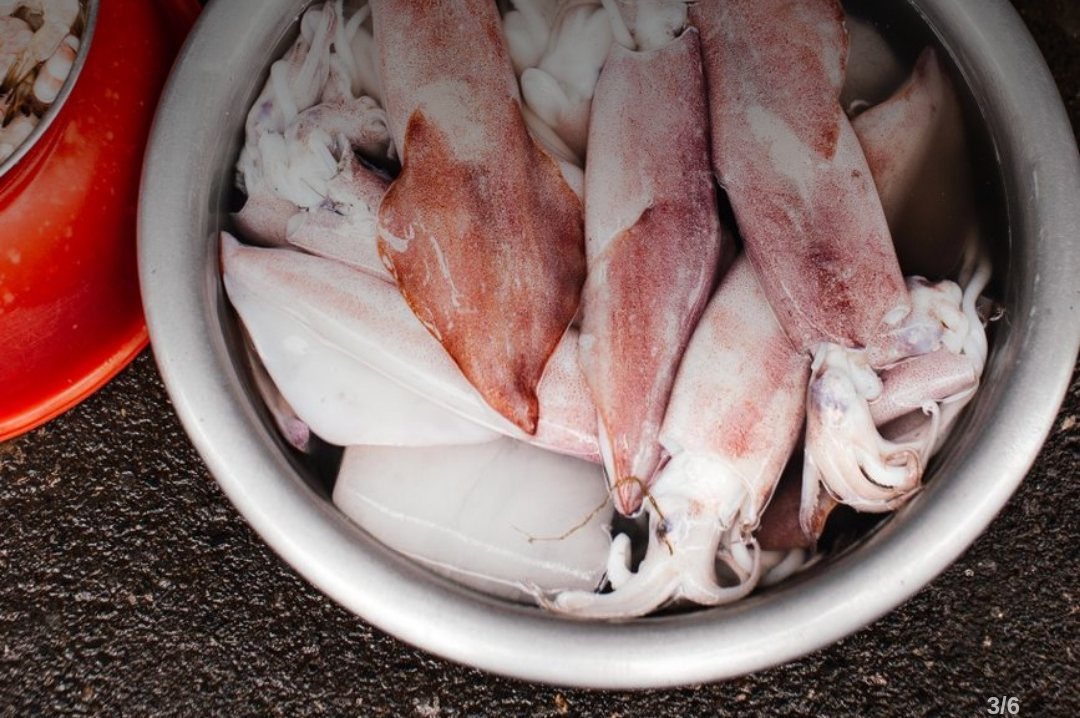
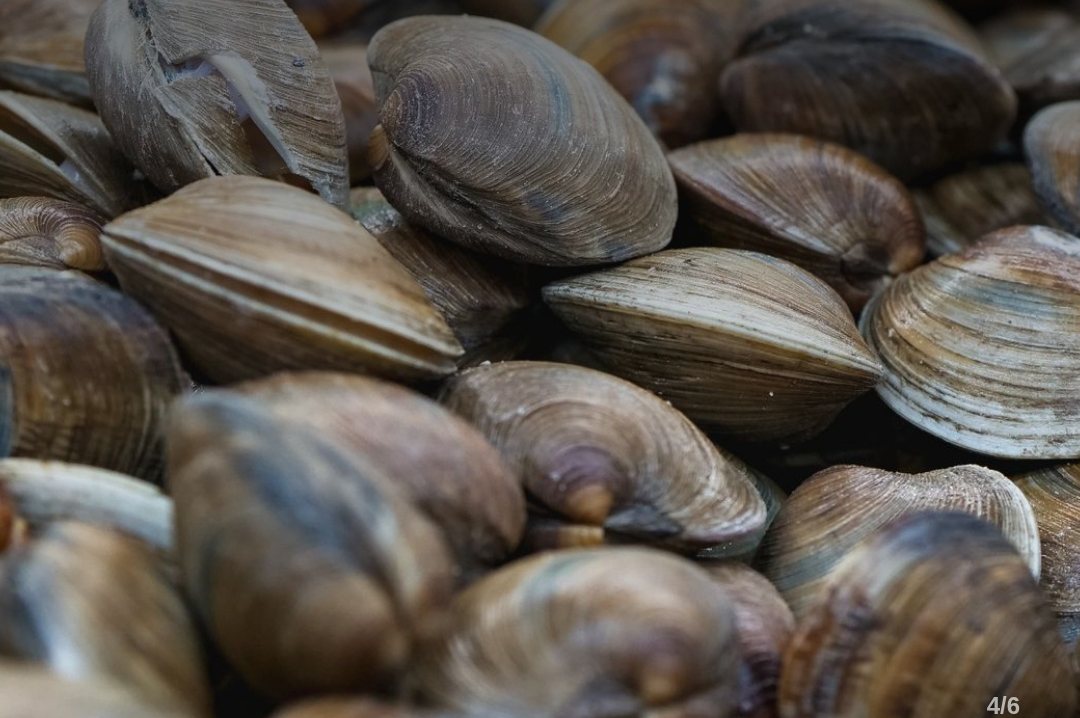
* **Fish (*saengseon*):** Remove all scales, fins, and viscera. Wash thoroughly and dry completely with paper towels to minimize surface moisture and oxygen exposure. * **Squid (*ojingeo*):** Remove internal organs immediately. Leaving the guts inside allows digestive enzymes to break down the flesh rapidly and harbor bacteria. Scrub the flesh with coarse salt to draw out surface moisture through osmosis, rinse, and pat dry. * **Shellfish (*jogaeryu*):** Perform *haegam*, the traditional Korean purging process of soaking live clams in salt water so they spit out sand and grit. Rinse with clean water and dry before packing.
For all seafood, drying the surface thoroughly with paper towels is the single most important prep step.
Fridge vs. Freezer: Best Storage Practices
Process your seafood immediately after returning from the market. Refrigerate seafood at 4°C (39°F) or below only if you plan to cook it within 1 to 2 days. Anything kept longer must be frozen.
The key to freezer storage is blocking air exposure. Wrap fish tightly in plastic wrap before placing it in freezer bags to prevent oxidation and freezer burn, which dries out the flesh. For purged clams and shellfish, pat them dry and seal them in airtight freezer bags, pressing out as much air as possible. Divide large purchases into single-meal portions and label each bag with the date.
Safe Thawing and Freezer Maintenance
Safe thawing is just as critical as safe freezing. Thawing seafood at room temperature on the counter creates a rapid zone for bacterial growth.
The safest method is moving the frozen seafood to your refrigerator the day before cooking so it thaws slowly at safe temperatures. If you need a fast thaw, seal the seafood in a leak-proof plastic bag and submerge it in cold tap water.
Keep your freezer temperature set at or below -18°C (0°F). If you notice heavy frost buildup inside your freezer, defrost it. Heavy frost reduces cooling efficiency and makes it harder to maintain a constant, safe temperature.
Common questions
How long can I store frozen seafood in a home freezer?
For optimal flavor, texture, and safety, consume home-frozen seafood within 1 to 3 months.
Can I refreeze seafood once it has thawed?
No, you should never refreeze thawed seafood. Refreezing degrades quality and accelerates bacterial growth. Portion your seafood before freezing so you only thaw what you need.