How Long Does Meal Prep Last in the Fridge? The Science of Food Safety
The Hidden Science of Refrigerator Bacteria
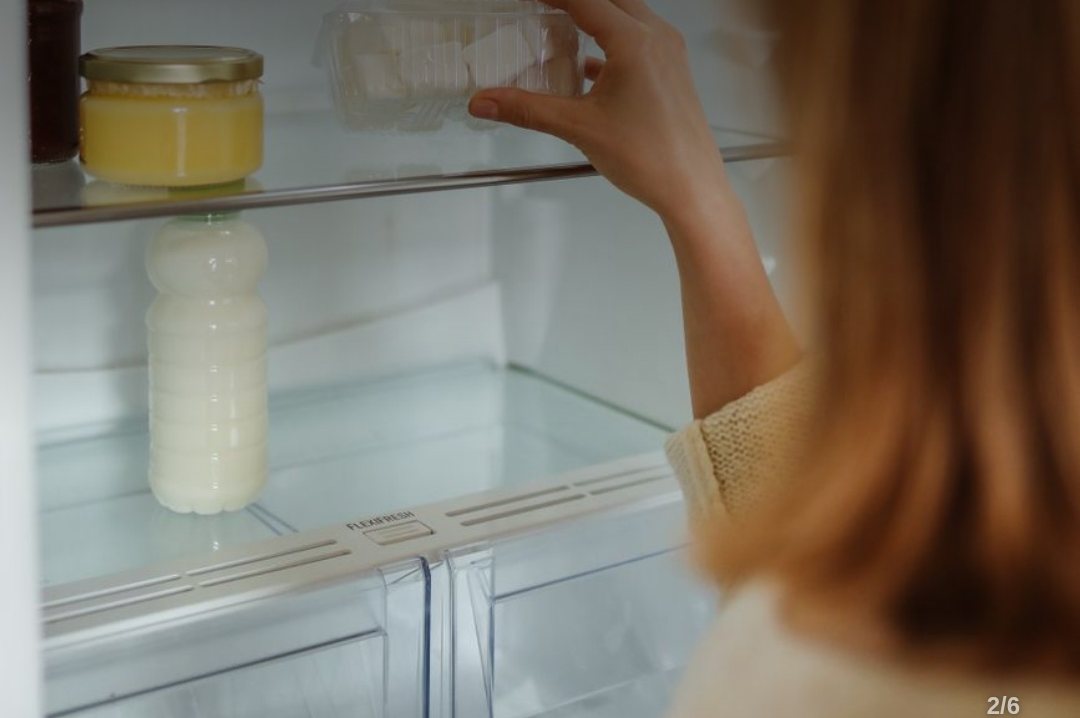
Prepping meals on Sunday saves valuable time and money during a busy week. However, putting cooked food inside a refrigerator does not completely stop bacterial growth; it only slows it down. Cold-tolerant bacteria like *Listeria monocytogenes* can still multiply at typical fridge temperatures between 0°C and 5°C (32°F to 41°F).
According to food safety guidelines from the U.S. Food and Drug Administration (FDA), cooked food stored in the refrigerator should be consumed within 3 to 4 days. Beyond this point, dangerous bacteria can multiply quietly without changing the look or smell of your food. Trapped moisture inside airtight containers creates a humid environment that helps these invisible microbes thrive.
How Long Prepped Foods Last by Ingredient
Not all prepped ingredients spoil at the exact same rate. To avoid foodborne illness, adjust your eating schedule based on what is inside your container.
Cooked Meats and Seafood (Up to 2 Days): Chicken breast, ground beef, stir-fried pork, and cooked fish are high in protein and spoil faster. Eat these within two days of cooking.
Cooked and Roasted Vegetables (3 to 4 Days): Vegetables like steamed broccoli, roasted mushrooms, and cooked squash stay safe in the fridge for up to four days.
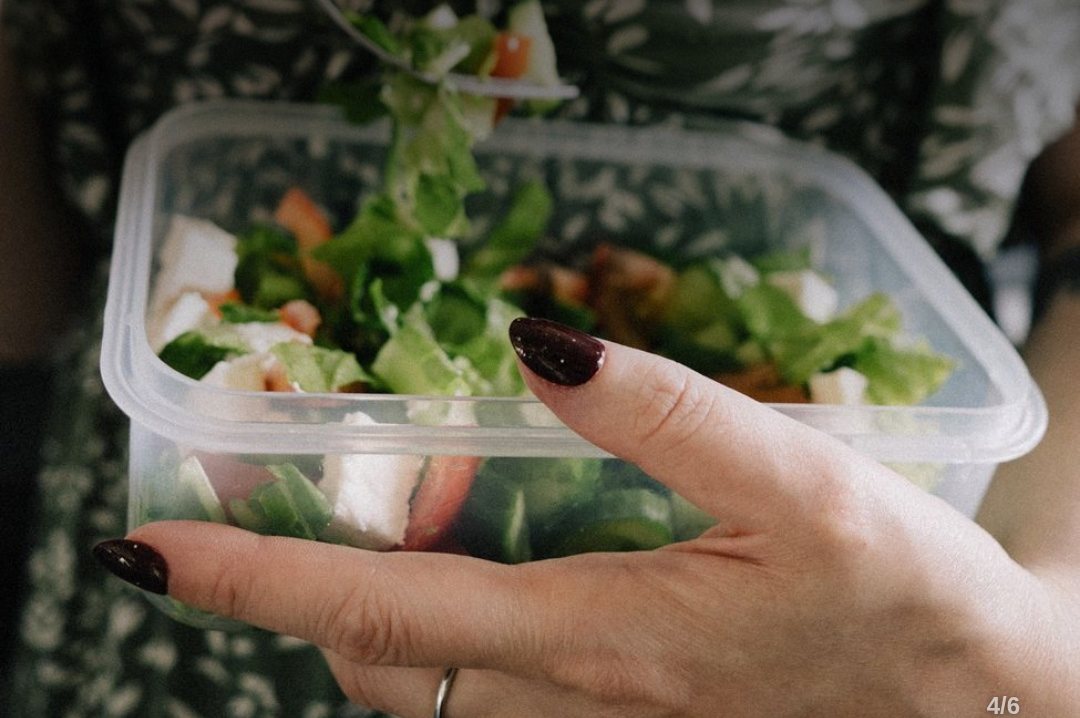
High-Moisture Raw Vegetables (1 to 2 Days): Cucumbers, tomatoes, and leafy greens release liquid over time. Moisture speeds up decay and ruins surrounding food, so pack raw veggies in a separate dry container and add them right before eating.
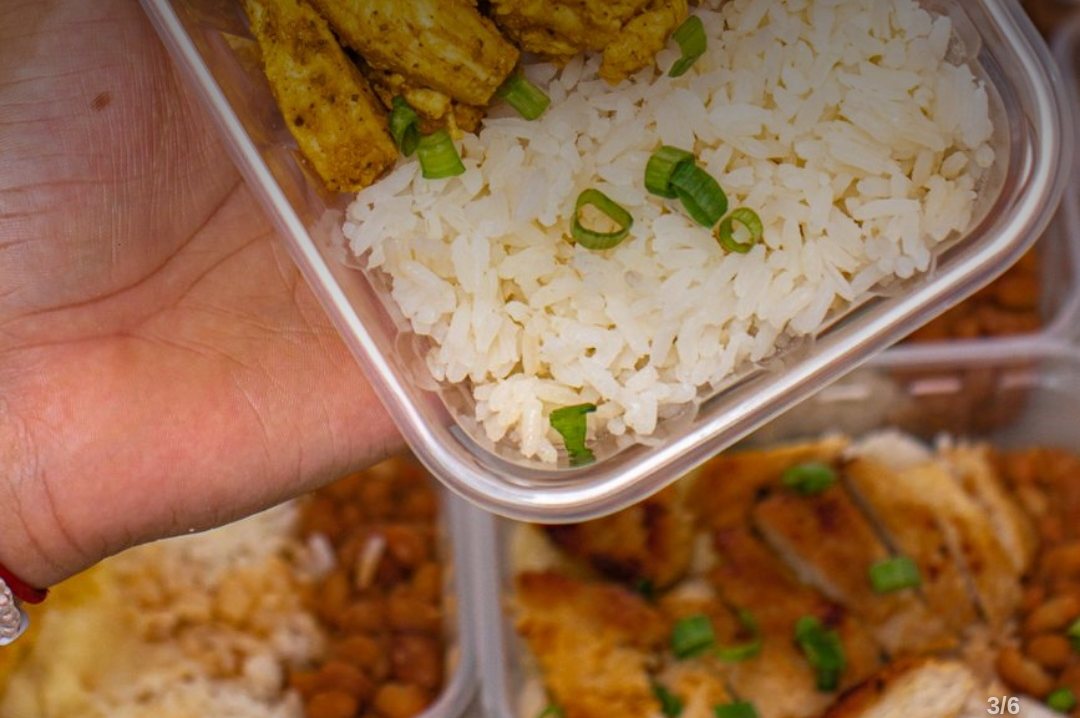
Cooked Rice and Grains (3 to 4 Days): Cooked rice (a staple carb base in Korean meal prep alongside savory banchan side dishes) can harbor *Bacillus cereus* spores if left out. Cool cooked grains quickly after cooking and refrigerate them promptly.
Fridge vs. Freezer and Proper Reheating
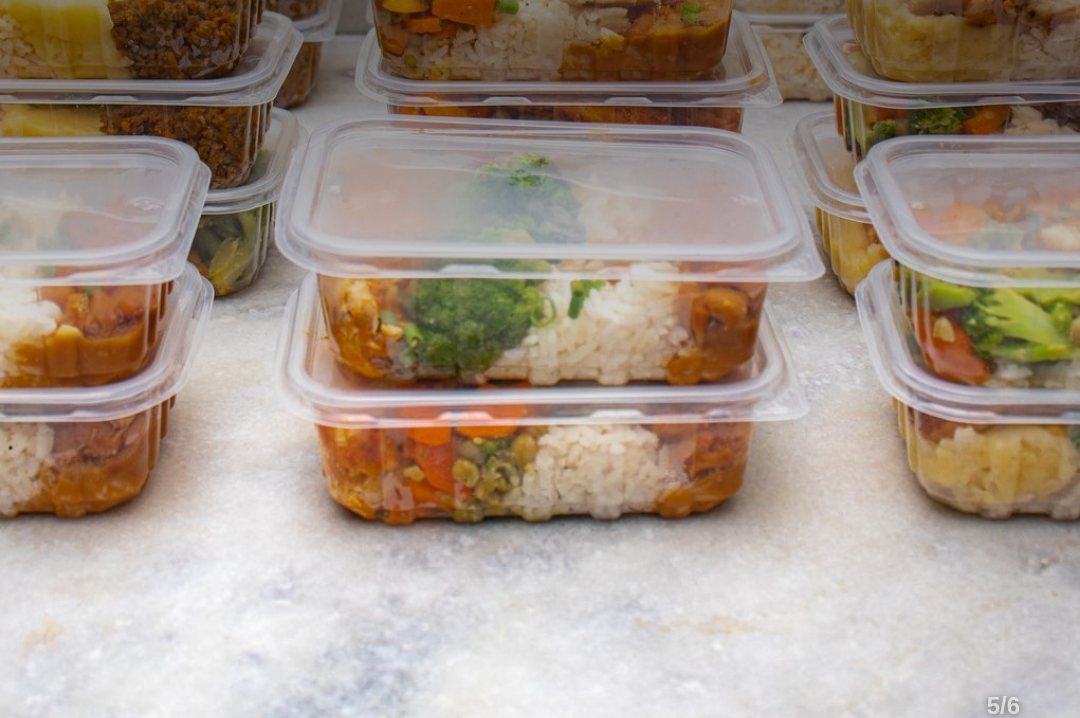
If you need prepped meals to last longer than four days, move them to the freezer immediately. At temperatures of -18°C (0°F) or below, bacterial activity stops completely, keeping food safe for 1 to 2 months. Keep high-moisture vegetables out of the freezer, as ice crystals break their cell walls and make them soggy upon thawing.
When reheating prepped food from the fridge or freezer, warming it until lukewarm is not enough. Reheat until the center reaches an internal temperature of at least 74°C (165°F) for a full two minutes. Piping-hot steam helps destroy any surface bacteria that grew during storage.
Essential Rules for Safe Meal Prepping
Maintain proper timing during prep. Never place scalding-hot food directly into sealed containers in the fridge, as thermal shock raises the internal fridge temperature and risks spoiling neighboring items. Instead, allow food to cool at room temperature for no longer than 2 hours before sealing and chilling.
Control container moisture. Place a paper towel at the bottom of salad or produce containers to absorb excess humidity.
Sanitize containers thoroughly. Glass containers washed with hot soapy water or boiled briefly eliminate lingering microbes that cause cross-contamination.
Common questions
Can I eat 5-day-old meal prep if it smells totally fine?
It is safest to discard prepped food after 4 days. Disease-causing bacteria like Listeria do not always produce bad odors, discoloration, or slime, making contaminated food look completely normal.
What is the safest way to thaw and reheat frozen meal prep?
Thaw frozen containers overnight in the refrigerator rather than leaving them on the counter. Reheat food thoroughly in the microwave or on the stovetop until steaming hot throughout, reaching at least 74°C (165°F).
Do vacuum-sealed containers make prepped food last longer?
Vacuum sealing removes air to slow down oxidation and aerobic bacteria, but anaerobic bacteria can still grow. You should still stick to the recommended 3 to 4 day fridge limit for safety.