How to Inspect and Prep Your Korean Indoor Heating Tent for Winter
Why Pre-Season Inspection Matters
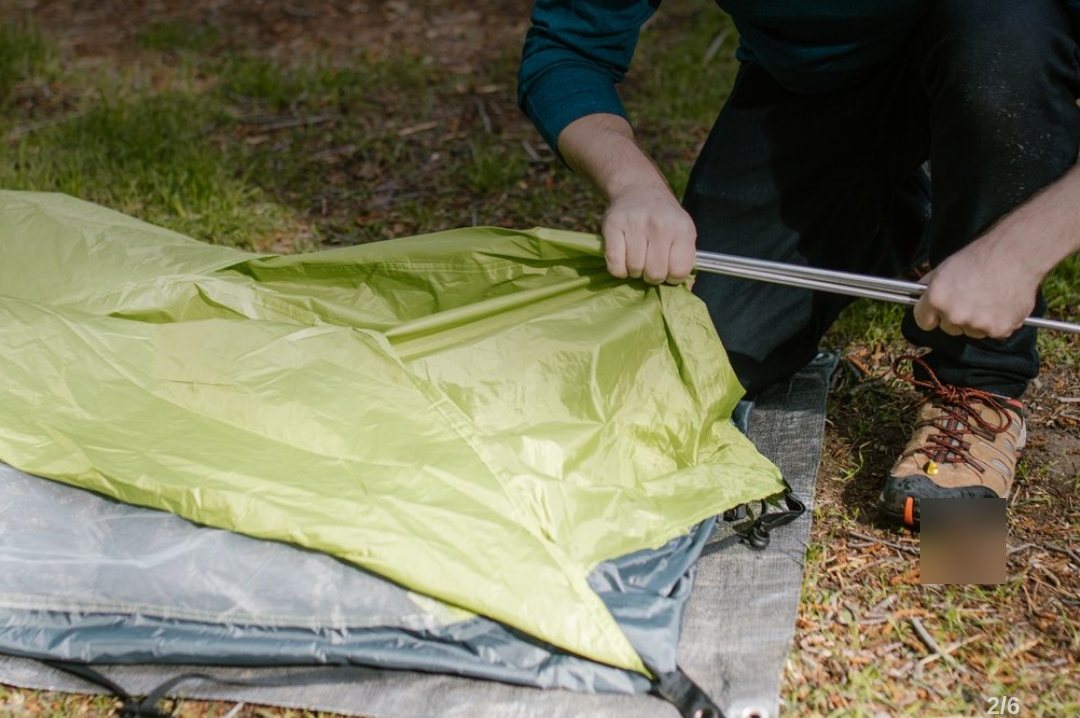
When the autumn breeze turns chilly, many households unpack their *nangbang tent*—an indoor heating tent set up over a bed or floor mat to block drafts and trap body heat during cold winters. While setting it up seems straightforward, taking it straight out of storage without a proper check can lead to poor insulation and unnecessary damage.
Indoor tents work by blocking air convection to keep a warm pocket of air inside. However, the poles and fabric undergo physical stress every time you fold, pack, and unpack them. Synthetic tent fabrics expand and contract with seasonal temperature shifts, which can lead to micro-cracks over time. According to research from the KOTITI Testing & Research Institute, synthetic fibers stored tightly folded for long periods lose molecular alignment along the crease lines, causing durability to drop sharply.
The 4-Point Pre-Season Checklist
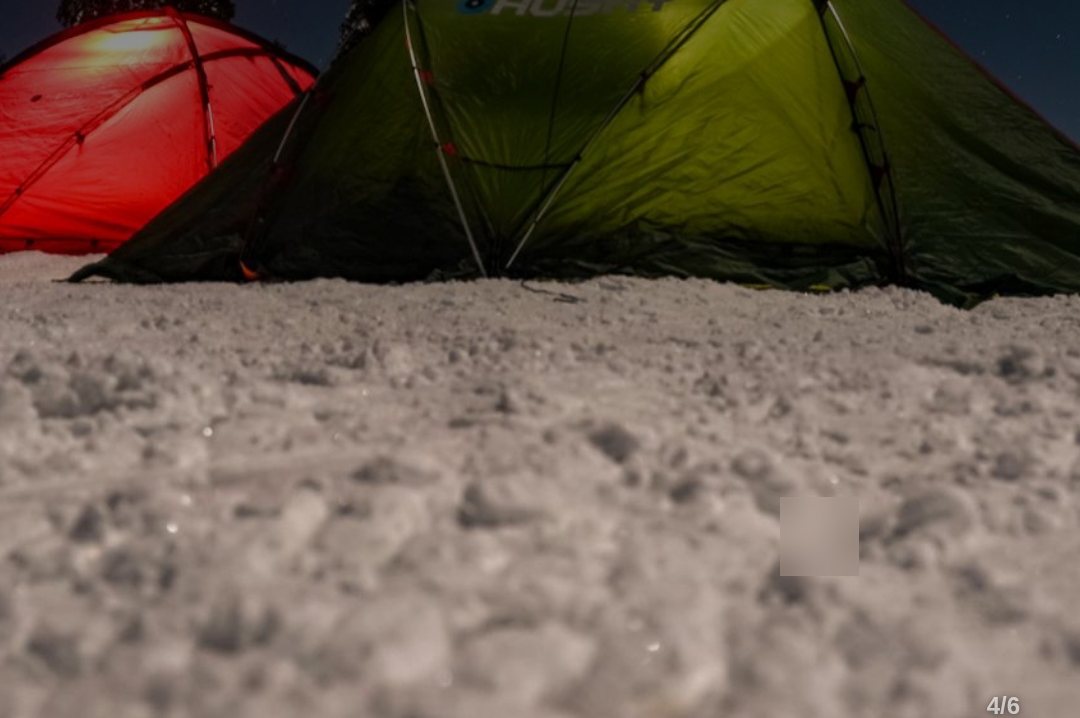
Once you unpack your tent, go through these four essential points before using it for the season:
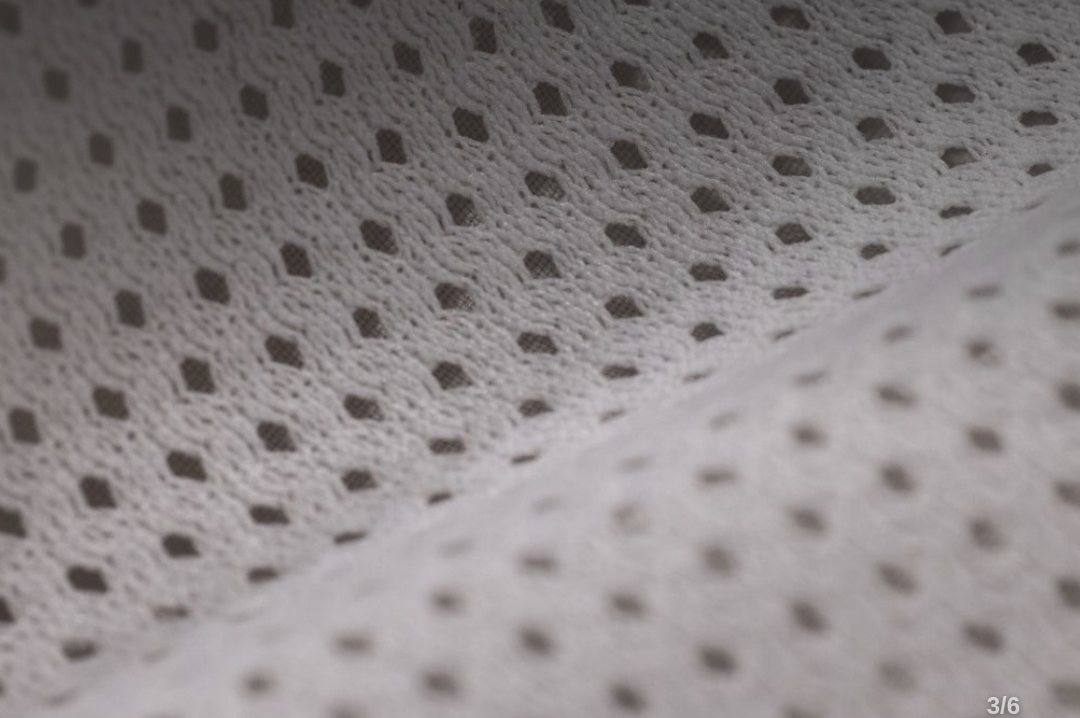
1. Pole Cord Elasticity: Check the internal shock cord connecting the pole sections. If it has lost tension, the tent frame will be unstable. 2. Mesh and Fabric Holes: Hold the fabric up to a light source and look for tiny pinholes or tears that let warm air escape. 3. Zipper Fluidity: Test the zippers carefully. Forcing a stiff or jammed zipper can strip the teeth off the track. 4. Surface Stains and Mold: Look closely for mildew, moisture spots, or accumulated dust from storage.
Quick Maintenance: Fixing Poles, Zippers, and Tears
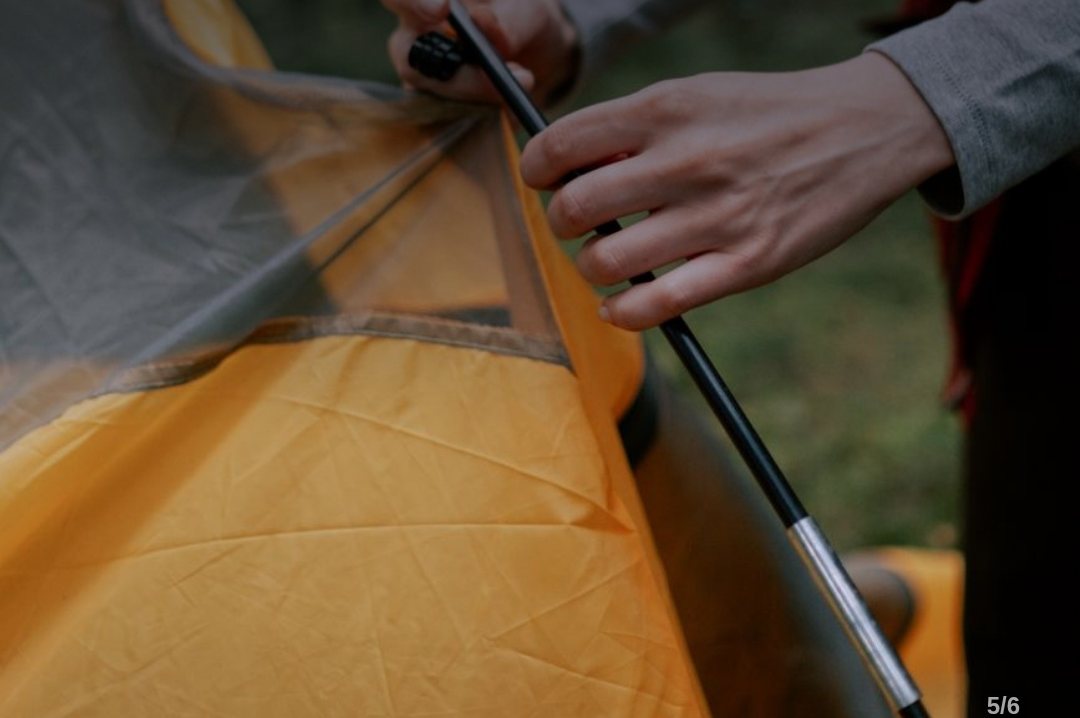
If pole sections are difficult to connect, do not force them. Clear out any dust or debris inside the metal joint ferrule first. For stiff zippers, rub a small amount of zipper lubricant or the graphite tip of a soft pencil along the zipper teeth to smooth out the glide.
For tiny holes in the mesh or fabric, apply a clear tent repair patch on both sides of the tear. When it comes to cleaning, never throw your indoor tent into a washing machine. Machine agitation strips the windproof coating and ruins the structural fabric. Instead, spot-clean dirty areas using a soft towel dampened with cold water and mild neutral detergent. If a full wash is unavoidable, gently hand-wash the fabric in cold water and air-dry it completely in the shade.
Preventing Mold and Managing Moisture
The single biggest issue when using an indoor tent during winter is condensation. Because the air inside the tent gets significantly warmer than the surrounding bedroom air, moisture droplets build up on the interior walls. The Korea Disease Control and Prevention Agency (KDCA) emphasizes indoor moisture control to prevent mold growth and respiratory issues.
To keep the air fresh and prevent mildew, ventilate the tent at least twice a day by unzipping the main doors. At the end of the winter season, ensure the fabric is 100% dry before folding it. Store it in its dedicated storage bag alongside a few silica gel desiccant packs to protect the coating until next autumn.
Common questions
What should I do if the shock cord inside my tent pole loses its stretch?
You can purchase replacement shock cord elastic online and thread it through the hollow pole sections yourself. As a temporary fix, tie a knot in the slack section of the cord inside the end cap to restore tension.
Can I wash my indoor heating tent in a washing machine?
No, machine washing destroys the specialized draft-blocking coating on the fabric and can bend the pole sleeve structure. Always spot-clean dirty areas with a damp cloth and mild detergent, or gently hand-wash in cold water.
How often should I ventilate an indoor heating tent?
Open the tent doors to ventilate at least twice a day. This releases trapped body humidity and prevents condensation from causing mold growth on the fabric.