How to Store Pork by Cut: Keep It Fresh and Prevent Freezer Burn
Why Storage Strategy Depends on the Cut
Pork spoils primarily through fat oxidation and bacterial growth. When meat comes into contact with oxygen, the fats become rancid, leading to off-flavors and unpleasant odors. According to food safety guidelines from the U.S. Food and Drug Administration (FDA), bacteria multiply rapidly in protein-rich environments depending on oxygen exposure.
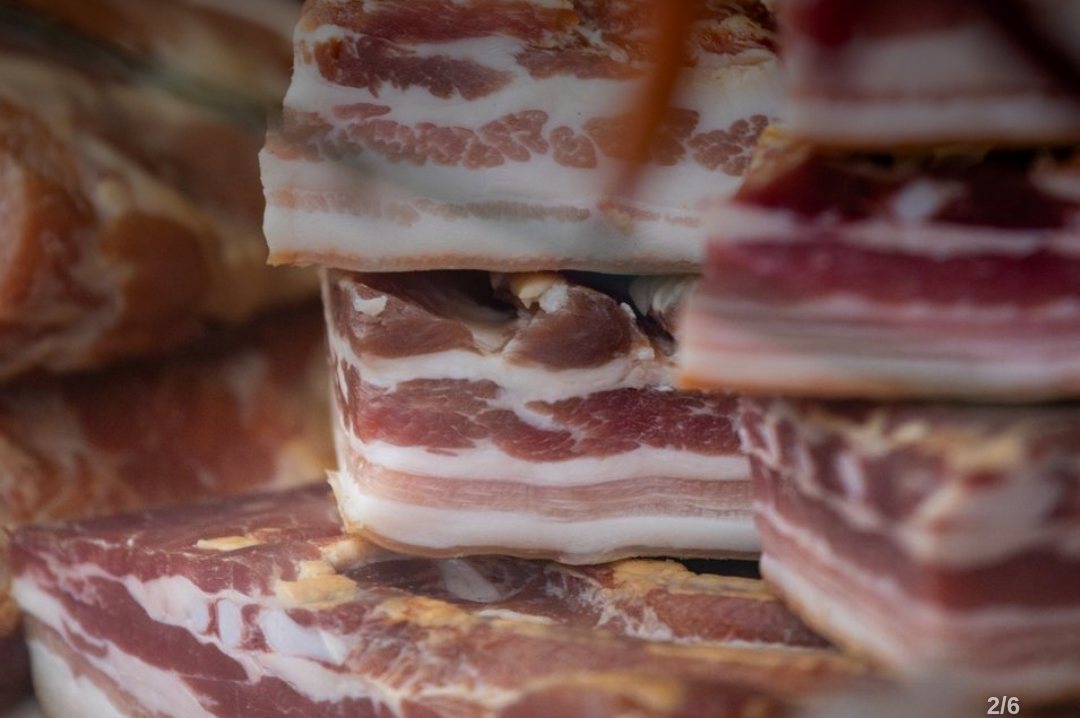
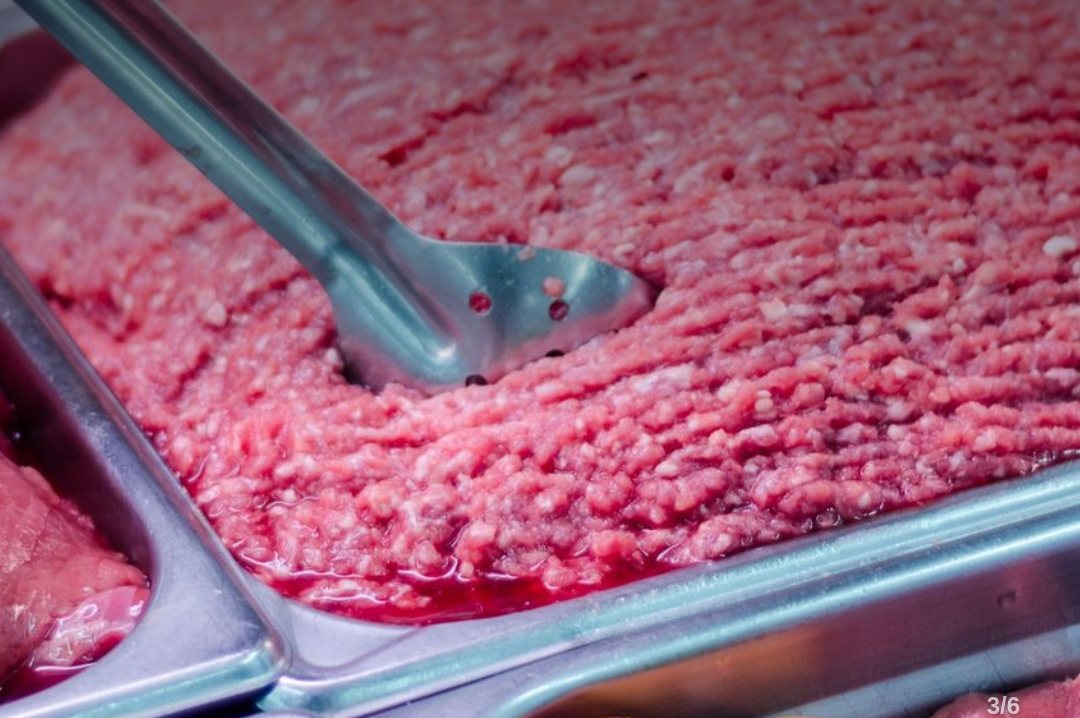
Because fat content and muscle texture vary widely across cuts, a one-size-fits-all approach does not work. Fatty cuts like *samgyeopsal* (pork belly, the popular unseasoned cut used for Korean barbecue) require maximum oxygen protection. Meanwhile, ground meat has a much larger surface area exposed to air, meaning it needs fast temperature reduction to slow microbial growth.
Best Storage Methods for Every Pork Cut
Matching your storage method to the cut dramatically extends freshness and prevents dry, tough meat.
*Samgyeopsal* (Pork belly): High in fat. Wrap tightly with plastic wrap to eliminate all air pockets before placing in an airtight container.
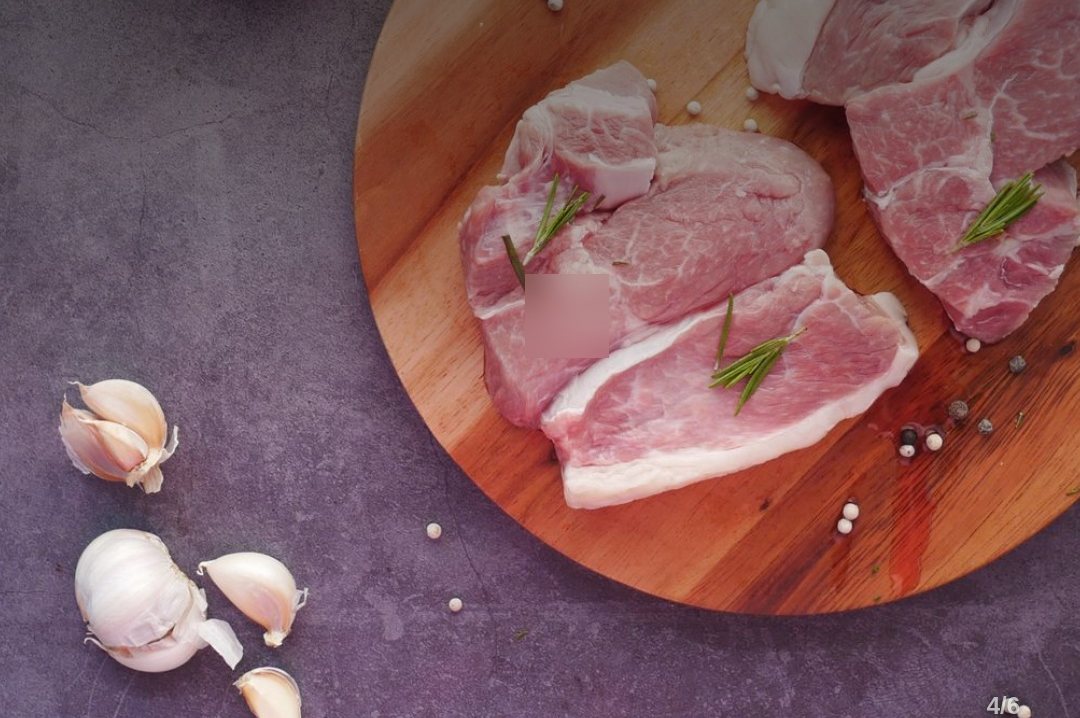
*Ansim* and *Deungsim* (Pork tenderloin and loin): Lean and prone to drying out. Lightly coat the surface with cooking oil before wrapping in plastic film.
*Dajin gogi* (Ground pork): High surface area. Press flat and thin inside a ziplock bag for rapid freezing.
*Yangnyeom-yuk* (Marinated pork, often used for dishes like *jeyuk bokkeum*, a Korean spicy stir-fried pork): Contains added liquids and seasonings. Divide into single-serving portions and seal completely.
When wrapping any cut, press the plastic wrap directly onto the surface of the meat. Trapped air pockets pull moisture from the pork in the freezer, which causes freezer burn.
Refrigeration vs. Freezing Rules
If you plan to cook your pork within 2 to 3 days, refrigerate it. Before storing, always pat the meat dry with paper towels to remove residual blood and liquid. Excess moisture acts as a breeding ground for bacteria.
For long-term storage, use the freezer, but focus on freezing speed. Freezing large, thick chunks of meat takes too long for the cold to reach the center. This slow freezing process ruptures cell walls, causing juice to leak out during thawing. Flatten ground meat and sliced pork thin before freezing to preserve texture.
For lean cuts like tenderloin or loin, a thin layer of cooking oil acts as a barrier against cold air, keeping the meat soft and juicy.
Fridge Setup and Safe Thawing
Even well-wrapped meat will spoil if fridge temperatures fluctuate. Opening the door causes quick temperature spikes, so store raw pork deep inside the refrigerator where airflow is coldest and most consistent.
Always label frozen meat with the date. While frozen pork remains safe to eat for up to 4 months, consuming it within 1 month yields the best taste and texture.
When it comes time to thaw, move the pork to the refrigerator the day before to let it defrost slowly at a low temperature. This preserves the meat's texture and prevents bacterial growth. Avoid microwave thawing whenever possible, as it cooks the outer edges while the inside remains frozen.
Common questions
Why did my frozen pork turn brown? Is it safe to eat?
Brown spots are usually caused by oxidation from air exposure. If the pork smells normal and isn't sticky or slimy, it is safe to cook, but discard it immediately if you notice a sour or off odor.
Does rubbing oil on lean pork cuts really work?
Yes. The oil creates a protective layer that locks in natural moisture and prevents cold freezer air from causing freezer burn, keeping lean cuts like loin and tenderloin tender.