How to Store Leftover Doenjang Jjigae Safely (and Why You Shouldn't Just Fridge It)
The Golden Rule of Leftover Korean Stew
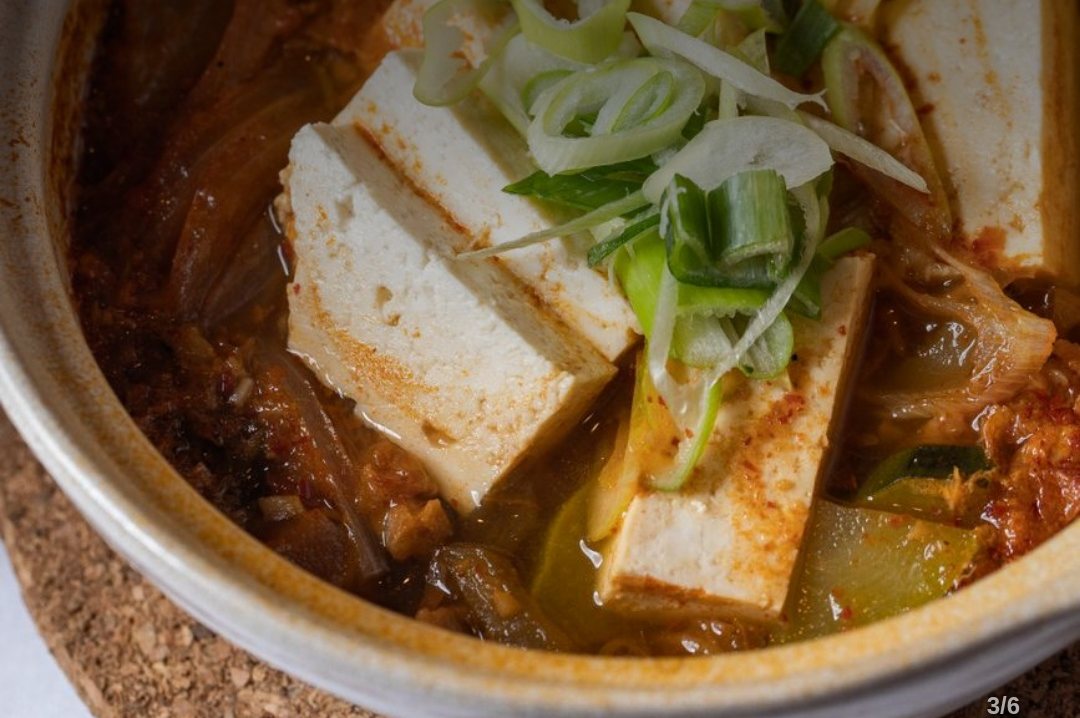
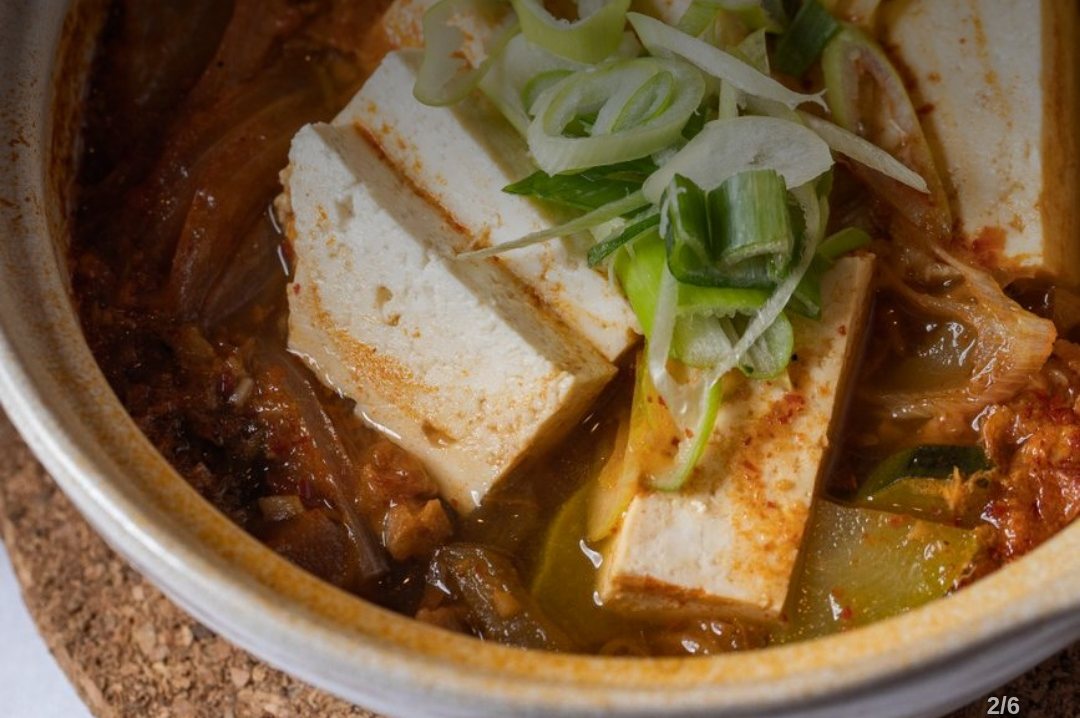
Many people make the mistake of putting a pot of leftover doenjang jjigae, a Korean fermented-soybean stew, straight into the refrigerator. To keep it safe to eat, you must always boil it one more time, let it cool, and then transfer it to an airtight container. Let's look at the science behind why this step is absolutely crucial for your health.
Leaving warm stew in a metal pot inside the fridge is a recipe for bacterial growth and food spoilage. Taking a few extra minutes to prep your leftovers properly ensures your next meal is both delicious and safe.
The Science of Bacteria and Saliva Spoilage
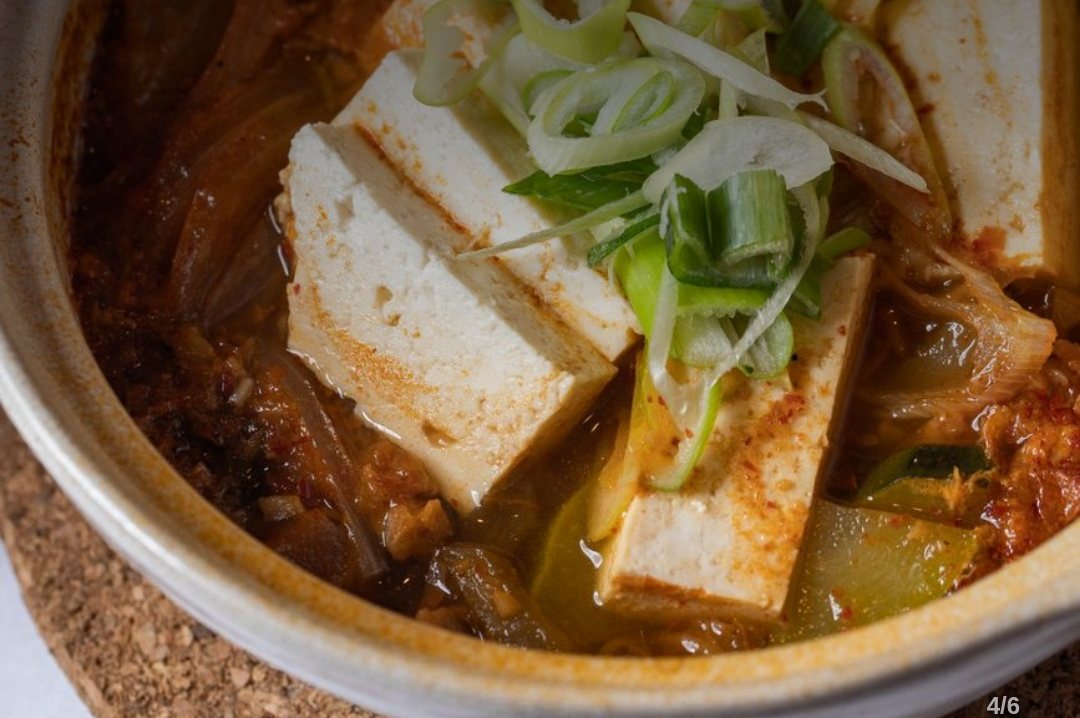
Do not rely solely on your refrigerator's cold temperature to stop food spoilage. Common food poisoning bacteria, like Staphylococcus aureus and Bacillus cereus, can still grow slowly in cold environments. When you eat directly from the pot, oral microbes and the enzyme amylase from your saliva transfer into the stew, rapidly speeding up decomposition.
According to food safety guidelines from the Ministry of Food and Drug Safety, leaving stew at room temperature or putting it warm into the fridge creates a breeding ground for bacteria. To prevent this, boil your leftover stew at 100°C (212°F) or higher for at least 10 minutes before storing to kill harmful microbes. Cover the pot, let it cool down to room temperature, and then place it in the fridge so it does not raise the appliance's internal temperature.
Four Golden Rules for Storing Doenjang Jjigae
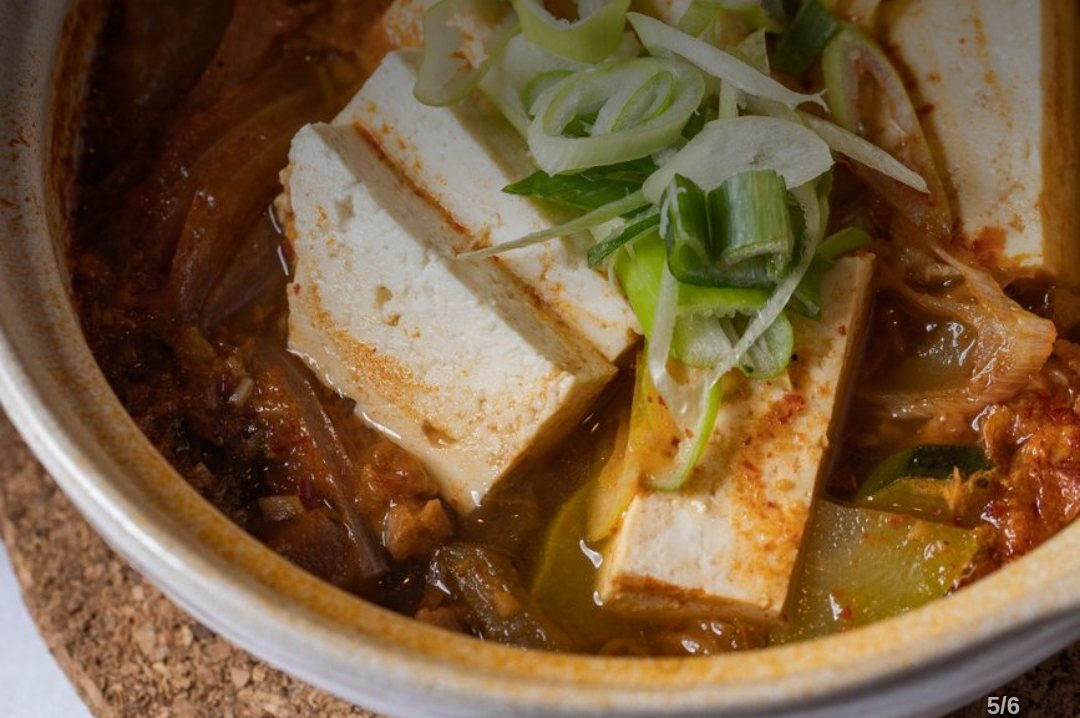
To keep your leftovers fresh and safe, follow this quick checklist:
- **Always boil first:** Bring the stew to a rolling boil right before storing to eliminate bacteria. - **Use airtight glass or plastic containers:** Never store stew in its cooking pot. Salt can corrode metal pots, and open pots let fridge odors seep into your food. - **Remove tofu before freezing:** Tofu has high water content, and freezing turns it spongy and tough. Always scoop out the tofu if you plan to freeze the stew. - **Eat within three days:** Even in the fridge, microbes slowly grow. Consume your refrigerated stew within three days.
Fridge vs. Freezer Storage Methods
If you plan to finish the stew within three days, opt for refrigeration. Let the boiled stew cool down, transfer it to an airtight container, and place it deep inside the fridge. Avoid the fridge door, as constant temperature fluctuations there can cause the food to spoil faster.
For freezer storage, remove all tofu and fill your freezer-safe container to only 80% capacity to allow for liquid expansion. Note that vegetables like potatoes or hobak, a Korean green squash similar to zucchini, may get slightly mushy after defrosting. For the best flavor, eat frozen stew within one month.
Good Kitchen Habits and Reheating Rules
Kitchen hygiene is just as important as storage. Make sure your airtight containers are thoroughly washed and completely dry, as even a tiny drop of moisture can invite bacterial growth.
When reheating, only scoop out and heat the portion you plan to eat right away. The best way to prevent your stew from spoiling in the first place is to practice portioning. Avoid double-dipping your spoon directly into the main pot or ttukbaegi, a traditional Korean glazed earthenware pot. Always scoop individual portions into separate personal bowls.
Common questions
Why does stew spoil faster if my spoon touches it?
Saliva contains oral bacteria and the digestive enzyme amylase. When these mix into the soup, they break down starches and proteins, which accelerates food spoilage and bacterial growth.
How long can frozen doenjang jjigae be stored?
While bacteria stop growing below -18°C (0°F), the quality, texture, and taste of the stew will degrade over time. It is best to consume frozen stew within one month.
Is it really bad to put the metal pot or earthenware directly in the fridge?
Yes. Without an airtight seal, the stew will absorb fridge odors, and your fridge will smell like doenjang. Additionally, the salt in the stew can corrode metal pots, leaching metallic elements into your food.