How to Store Leftover Cake: Scientific Hacks for Freshness and Texture
Why Leftover Cake Absorbs Fridge Odors and Goes Stale
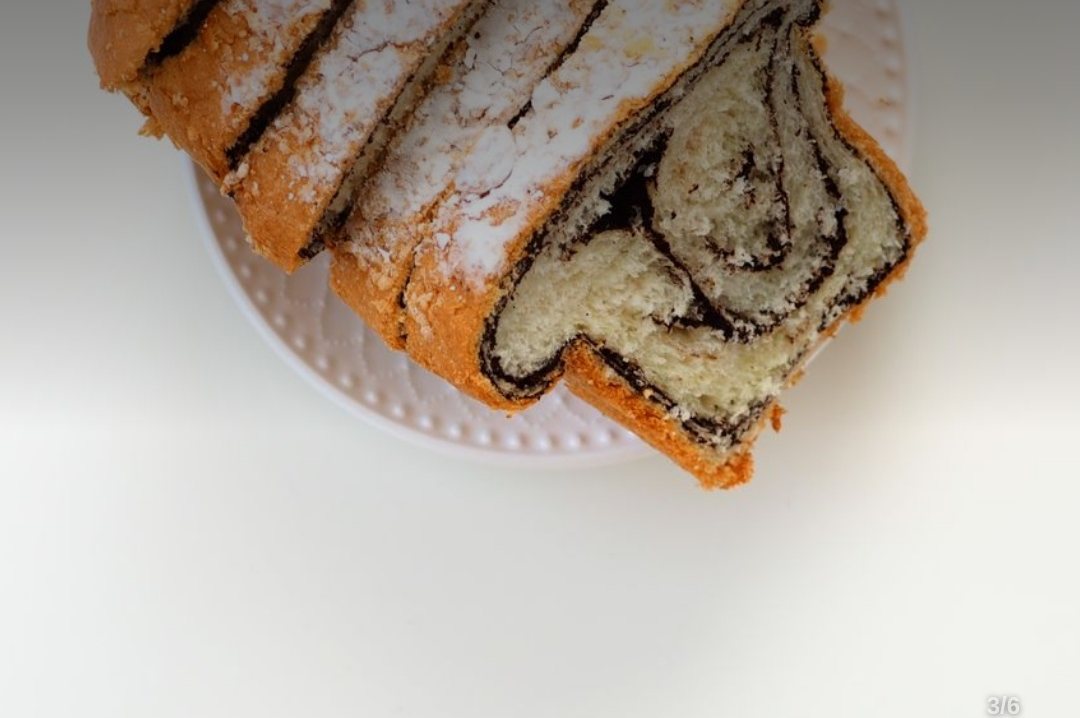
Leaving leftover cake unprotected in the fridge usually leads to dry sponge and weird background smells. The cream used in cakes—especially saeng-cream (a light Korean-style fresh whipped cream)—contains high levels of milk fat. Fat molecules naturally absorb floating organic odor compounds from surrounding foods like garlic or kimchi.
At the same time, refrigerator air constantly circulates to stay cool, creating a low-humidity environment. Unsealed cake loses moisture rapidly, causing the starches in the cake layer to recrystallize and harden—a scientific process known as starch retrogradation. Paper bakery boxes and loosely tied plastic bags do not stop air movement, making them ineffective for keeping moisture in or odors out.
Smart Hacks: The Upside-Down Container and Bread Trick
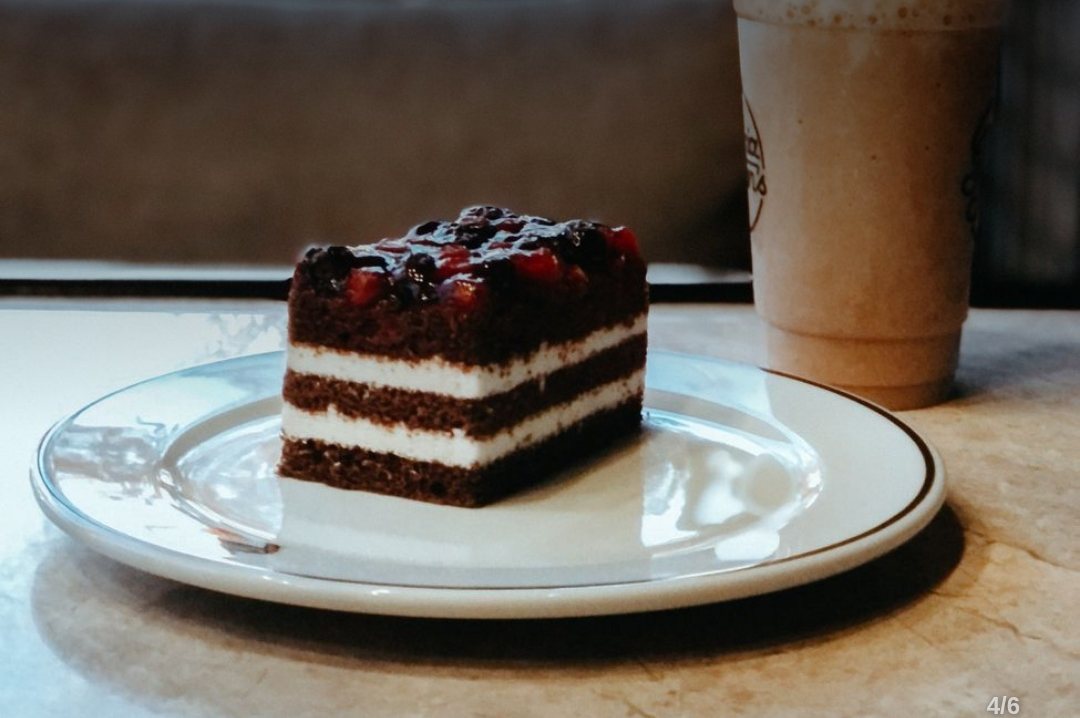
To preserve both the delicate icing and moisture without squishing your slice, use these simple techniques:
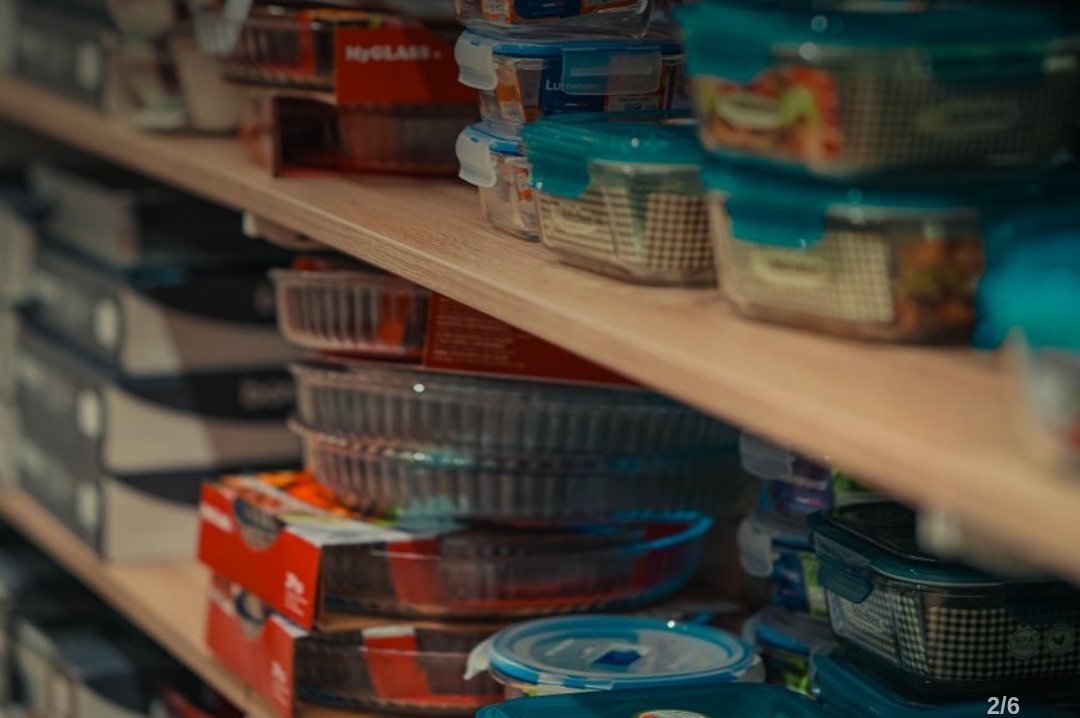
- The Upside-Down Container Trick: Placing a slice of cake inside a deep Tupperware container often ruins the frosting. Instead, turn the container upside down. Use the flat lid as your base plate, set the cake slice on it, and snap the container body over top like a protective dome.
- The Bread Slice Moisture Shield: The exposed cut sides of a cake lose moisture fastest. Press a fresh slice of plain white bread directly against the cut edges of the cake. The bread acts as a sacrificial barrier, keeping the cake sponge moist while absorbing any ambient dryness.
- Temperature and Shelf Life Guidelines: • Fresh Cream / Fruit Cakes: Keep at 0–4°C (32–39°F) in the fridge; eat within 2 days. • Cheesecake / Chocolate Cake: Refrigerate up to 3–4 days (or freeze for longer storage). • Buttercream Cakes: Refrigerate up to 5 days.
Fridge vs. Freezer Storage Methods
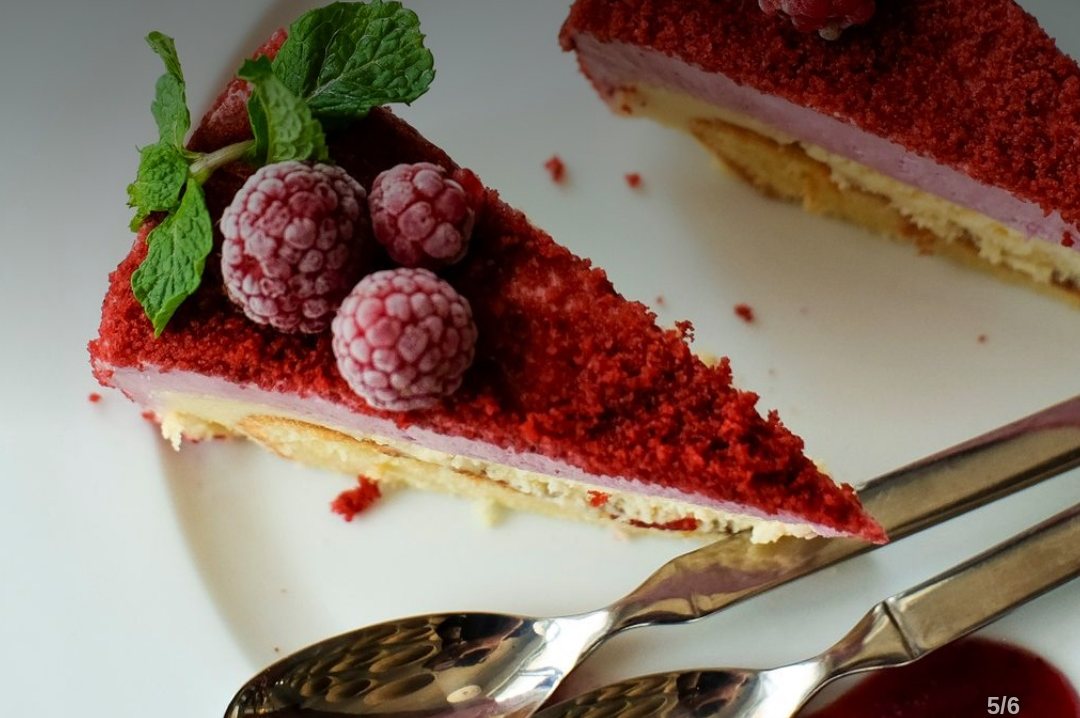
If you plan to finish the cake within two days, short-term refrigeration works best. Always use the upside-down container method and the white bread slice hack to shield the cut edges.
For storage beyond two days, freeze individual portions. Slice the cake into single servings, wrap each slice tightly in plastic wrap to prevent freezer burn, and place them inside a resealable freezer bag. Frozen cake stays good for 2–3 weeks. When ready to eat, transfer the slice to the refrigerator 1–2 hours before serving. Thawing slowly in the fridge prevents water separation and keeps the cream from turning soggy.
Hygiene Rules to Prevent Mold and Spoilage
Eating directly off a shared cake with a fork introduces saliva into the cream. Salivary enzymes like amylase rapidly break down starches and fats, liquefying the cream and accelerating bacterial growth. Always cut off your desired portion with a clean knife and leave the remaining cake untouched.
Additionally, remove fresh topping fruits like strawberries before long-term storage or freezing. Fresh fruit releases water as it sits or thaws, turning the surrounding cake sponge soggy and speeding up spoilage.
Common questions
Can I store leftover cake in its original cardboard bakery box?
No, cardboard cake boxes have gaps that allow dry fridge air to pull moisture from the cake. The porous paper also lets ambient refrigerator odors penetrate the cream. Always transfer cake to an airtight container.
What is the best way to thaw frozen cake?
Thaw frozen cake in the refrigerator for 1 to 2 hours before eating. Avoid room-temperature thawing, which causes condensation on the surface and makes the cream and sponge soggy.
Should I freeze fresh fruit toppings like strawberries with the cake?
It is best to remove fresh fruits before freezing. High-water fruits lose their structural integrity when frozen and thawed, releasing excess juice that damages the texture of the cake.