How to Store Saeng-Cream: The Common Mistake You Might Be Making
Rethinking How We Store Saeng-Cream
Are you storing your cream the same way you always have? Many of us default to old kitchen habits when we buy saeng-cream (Korean fresh dairy cream, famously used in light, fluffy K-bakery cakes and fruit desserts).
However, standard storage habits might actually be shortening its shelf life. Let's look at why your current method might not be the best choice for keeping dairy fresh.
The Problem with Traditional Storage Advice
There are plenty of traditional kitchen tips passed down over the years regarding cream. While these methods are widely accepted as common sense, they are often outdated.
Because processing methods and packaging have evolved, relying on old-school advice can lead to spoiled cream. The most reliable storage instructions are always the ones printed directly on your specific product's packaging.
Why One-Size-Fits-All Storage Fails
The optimal storage environment for fresh cream is highly sensitive. Its stability depends entirely on a combination of precise temperature control, humidity levels, and the style of packaging used.
Older, generalized storage tips do not account for these modern variables. What works for one brand of heavy cream may not work for another due to differing fat content and pasteurization styles.
How to Determine the Safest Storage Method
Always prioritize the manufacturer's label on the carton first. If you buy fresh cream from a local bakery or if the package lacks clear instructions, fall back on standard dairy safety baselines.
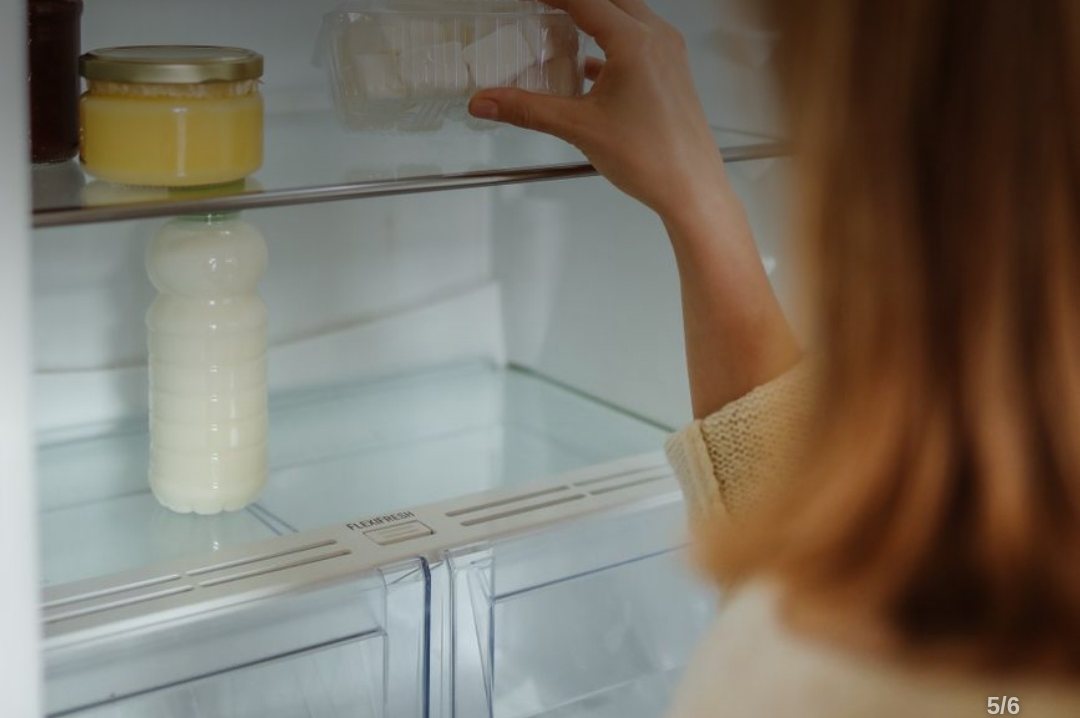
This means keeping the cream continuously refrigerated at or below 4°C (39°F). Avoid storing it on the refrigerator door, where temperature fluctuations are most common.
Key Factors for Keeping Cream Fresh Longer
To maximize shelf life, you must actively control the cream's immediate environment. Pay close attention to temperature consistency, humidity, and the sealing capability of your container.
Minimizing exposure to air and maintaining a steady cold temperature are the best ways to prevent premature separation and spoiling.
Common questions
Is my usual method of storing fresh cream completely wrong?
Not necessarily, but traditional guidelines often ignore modern factors like packaging seals, humidity, and temperature stability, which are critical for dairy.
How can I find the absolute safest storage instructions for my cream?
The best resource is always the product label itself or the official website of the dairy manufacturer, as they test their packaging for shelf-life stability.