How to Get Rid of Musty Air Conditioner Smells: A 4-Step Scientific Guide
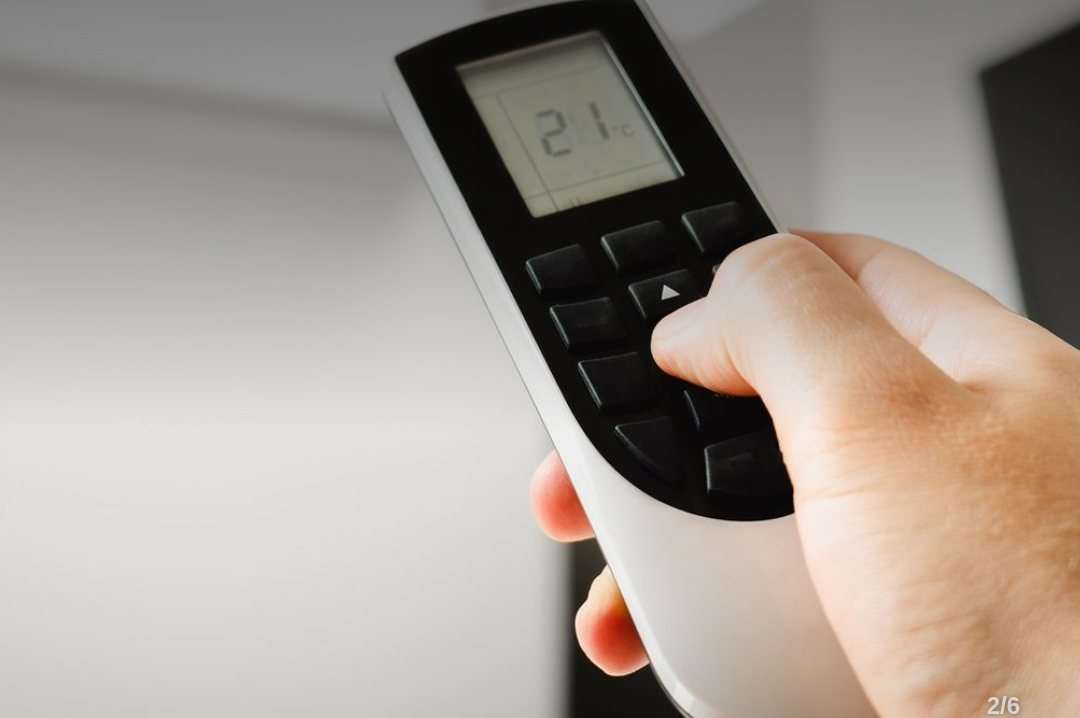
Why Your AC Smells Musty (The Science of Coil Mold)
That sour, stale odor coming from your air conditioner isn't just unpleasant—it is caused by bacteria and mold thriving inside the unit. When an AC runs on cooling mode, warm indoor air hits the freezing heat exchanger (cooling fins). This creates condensation, much like water droplets forming on a glass of iced tea.
This moisture binds with floating dust, creating the ultimate breeding ground for microscopic fungi like *Alternaria* and *Aspergillus*. As these microorganisms multiply, they release metabolic byproducts that produce that distinct moldy smell. Simply spraying room air fresheners won't fix the problem; you need physical moisture management and proper cleaning.
Your AC Maintenance Checklist and Manual Rules
To stop odor before it starts, major appliance manufacturers recommend sticking to three core maintenance habits:
• **Biweekly filter checks:** Remove and clean the mesh pre-filter at least once every two weeks. • **20-minute fan dry:** Run the AC in Fan Mode for at least 20 minutes before turning the unit off. • **Coil inspection:** Take off the filter and visually inspect the metal cooling fins for black spots or buildup.
When washing pre-filters, use lukewarm water and a gentle neutral detergent. Always dry the filter completely in the **shade**. Placing plastic filter frames in direct sunlight can cause them to warp or melt, leaving gaps where dust can bypass the filter entirely.
How to Fix Odors: The 18°C Flush vs. Coil Cleaners
If your air conditioner already smells, choose a solution based on how severe the buildup is:
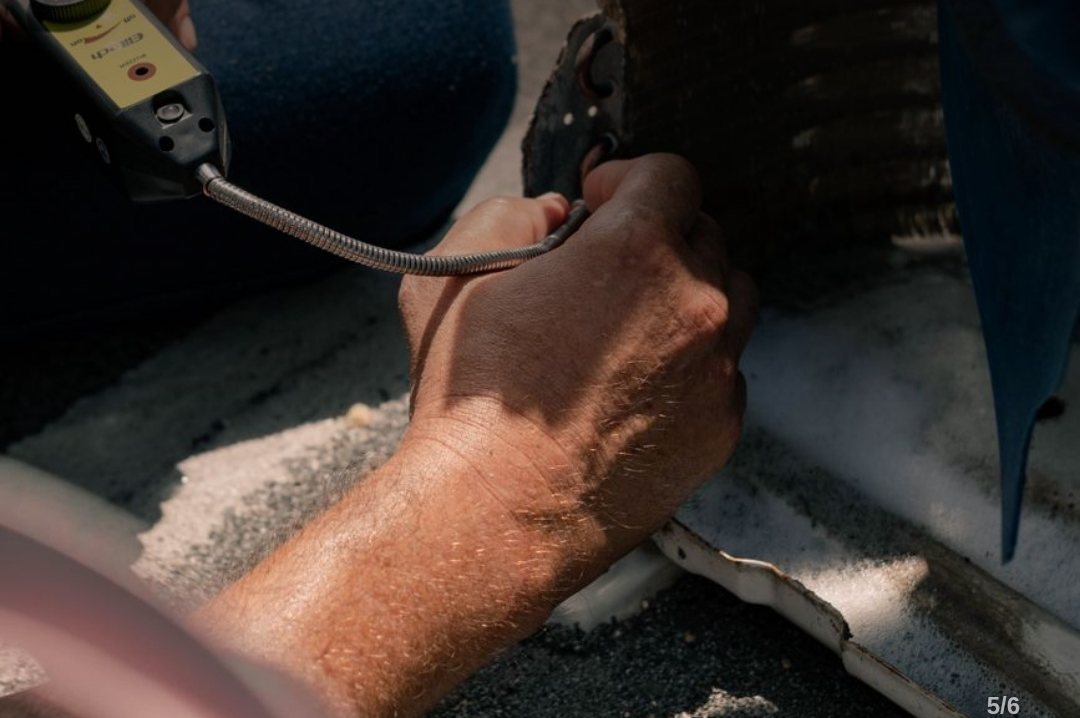
**For mild odors (The Flush Method):** Open your windows completely and set the AC temperature to its lowest setting, 18°C (64°F). Let it run for 20 to 30 minutes. This forces the unit to generate maximum condensation, effectively washing away light odor molecules down the condensate drain line.
**For stubborn mold odors:** If flushing doesn't work, apply a specialized AC cooling coil cleaner directly onto the metal fins behind the filter. Avoid spraying standard household air fresheners into the intake. Fragrance oils mix with internal dust and moisture, creating an even worse, sticky sludge.
Daily Prevention: The 20-Minute Dry Cycle
Even after deep cleaning, odors will return within days if moisture builds up inside the unit. The single best way to prevent mold growth is running your unit's Auto Dry function or manual Fan Mode for 20 minutes after every cooling session.
In Fan Mode, the power-heavy outdoor compressor shuts off, while the indoor fan runs to evaporate lingering moisture on the cooling fins. During *jangma* (Korea's humid summer rainy season) or days with extreme humidity, extend this drying cycle by an extra 10 minutes to keep the interior completely bone-dry.
Common questions
Can I dry my AC filter in direct sunlight to disinfect it?
No, strong sunlight and UV heat can warp the plastic frame and fine mesh of your filter. A warped filter creates gaps inside the unit, allowing dust to enter the cooling fins. Always air-dry filters in a well-ventilated, shaded area.
Can I spray diluted household bleach on the cooling fins?
Never use bleach on your air conditioner's heat exchanger. Bleach corrodes aluminum fins, damages internal components, and can release toxic fumes into your home. Use a dedicated AC coil cleaner instead.
Does running Fan Mode for 20 minutes waste a lot of electricity?
No, running Fan Mode uses very little electricity. Because the outdoor compressor turns off during Fan Mode, only the small internal fan spins—consuming about 20 to 30 watts, which is the same as running a basic standing floor fan.