Can You Refreeze Thawed Meat? Food Safety Rules You Need to Know
The Short Answer: Can You Refreeze Meat?
As a rule of thumb, you should avoid refreezing meat once it has thawed. However, there is one major exception: it is safe to refreeze if the meat was thawed slowly inside a refrigerator.
How you thawed the meat makes all the difference. Misinformation on social media often creates confusion, but food safety guidelines draw a clear line based on temperature and bacterial growth.
The Science: Moisture Loss and Bacteria Growth
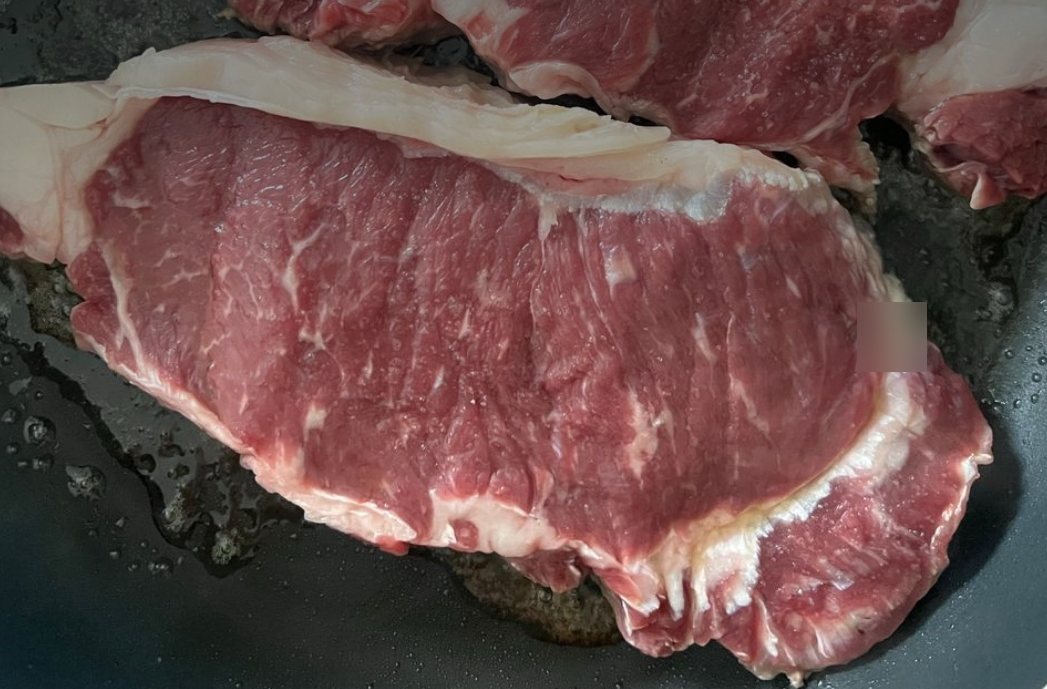
Freezing causes the water inside meat cells to form ice crystals, which rupture cell membranes. When meat thaws, moisture and nutrients leak out as a liquid known as "drip."
Losing this liquid makes the meat dry and tough. Worse, that nutrient-rich drip creates an ideal breeding ground for bacteria like *Staphylococcus aureus* and *Salmonella*.
According to the USDA Food Safety and Inspection Service (FSIS), bacteria multiply rapidly in the "danger zone" between 4°C and 60°C (39°F and 140°F). Leaving meat on the counter gives bacteria time to multiply. Refreezing will not kill these bacteria—it only puts them into a dormant state, meaning they will resume multiplying as soon as the meat thaws again.
3 Rules to Check Before Refreezing
Before putting thawed raw meat back into the freezer, make sure it meets all three of these conditions:
1. It thawed exclusively in the refrigerator below 4°C (39°F). Meat thawed at room temperature, in warm water, or in the microwave should never be refrozen raw.
2. It has not sat in the fridge too long. Beef and pork should be refrozen within 3 to 5 days of thawing, while poultry like chicken should be refrozen within 1 to 2 days.
3. The refrigerator maintained a stable, cold temperature. If the fridge door was opened frequently during hot weather, internal temperatures may have drifted into the danger zone.
What to Do in Common Kitchen Scenarios
If you thawed meat in the fridge and simply have leftovers, keep it tightly sealed and return it to the freezer within 2 to 3 days. Expect a slight drop in texture and juiciness due to additional cell damage.
If the meat thawed at room temperature, do not put it back into the freezer raw. Instead, cook it completely through to kill off any active bacteria. Once cooled, divide the cooked dish into portions and freeze those instead.
If the meat sat at room temperature too long and smells sour or feels slimy, throw it away. Cooking does not destroy the heat-resistant toxins that certain bacteria leave behind.
Smart Meat Storage Habits
The best strategy is to avoid the need to refreeze altogether with a few prep habits.
Divide fresh meat into single-meal portions immediately after buying it. Wrap each portion tightly in plastic wrap, place it in a zipper storage bag, and press it flat before freezing. Flat packages freeze faster and thaw quickly when needed.
Label each bag with the purchase date and the cut of meat. Finally, use your freezer's rapid-freeze or express-freeze setting if available, which creates smaller ice crystals and preserves meat texture.
Common questions
Can I refreeze meat that arrived slightly soft from a delivery box?
Yes, as long as the meat is still refrigerator-cold (below 4°C (39°F)) and still contains ice crystals. If it has reached room temperature, cook it immediately or discard it.
Can I refreeze marinated meats like galbi or bulgogi?
The same safety rules apply to *galbi* (Korean marinated ribs) and *bulgogi* (Korean marinated thinly sliced beef). If they thawed in the fridge, you can refreeze them, though the marinade and ice crystals will cause some texture loss.
Why can't I refreeze meat thawed in the microwave?
Microwave thawing warms parts of the meat to temperatures above 4°C (39°F) and may even begin cooking the edges. You should cook microwave-thawed meat completely before freezing any leftovers.