What's Your Dating Style? A Korean Quiz on Relationship Defense Mechanisms
How Do You Protect Yourself in Love?
When dating, people often repeat subconscious behavioral patterns without realizing it. Beyond how you express love, underlying defense mechanisms usually show up whenever conflicts arise or feelings get hurt.
Read through these five common relationship scenarios to see how you tend to protect your emotions. This is a lighthearted quiz for fun rather than a clinical psychological evaluation.
1. When Your Crush Likes You Back
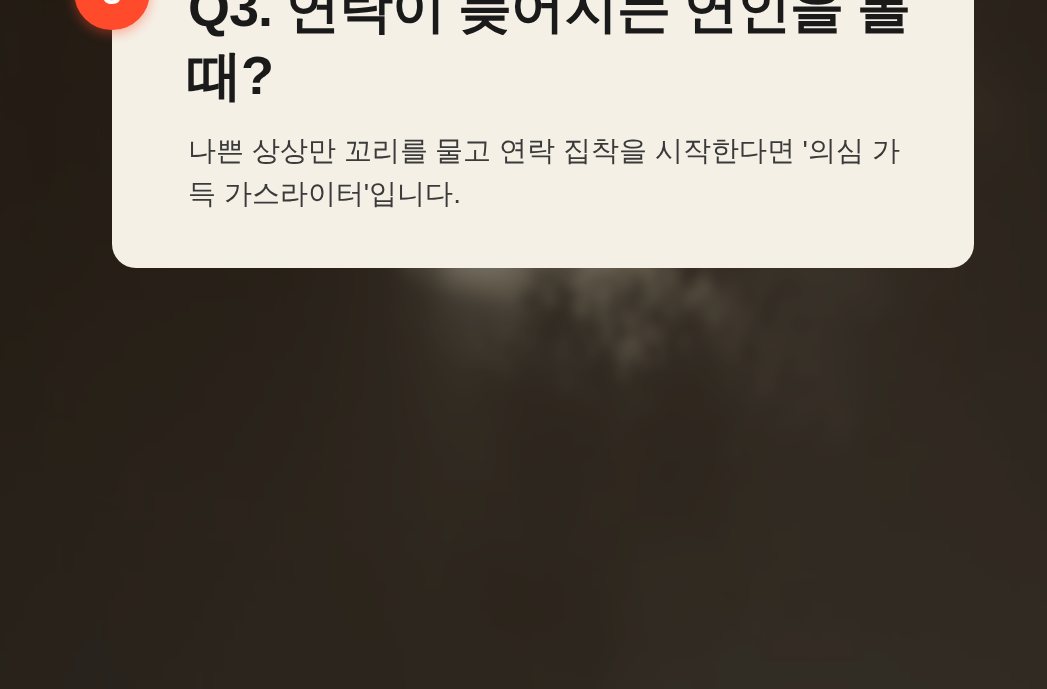
If you find out someone you fancied actually likes you back, but your feelings suddenly cool off and they seem unappealing, you might fit the Avoidant Anxious type (*hoepi-hyeong buran-reo*).
People with this style feel a spike of anxiety the moment genuine intimacy becomes possible, prompting them to pull away and create distance.
2. When an Argument Breaks Out
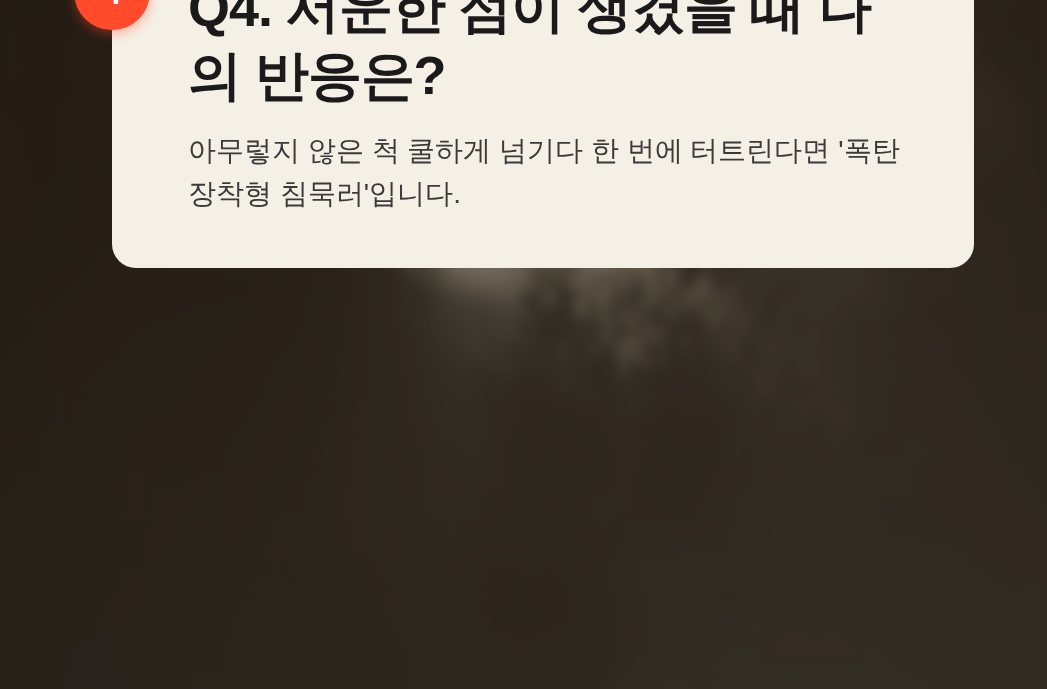
If you shut down completely and retreat into silence during a fight, you match the Cave Blocker type (*dong-gul-hyeong chadan-reo*).
This behavior stems from a fear of getting hurt during conflict, leading people to avoid communication altogether as a self-protection strategy.
3. When Your Partner Takes Too Long to Text Back
If a delayed reply triggers worst-case scenarios in your head and leads to compulsive checking, you lean toward the Anxious Validator type (*buran-hyeong hwag-in-reo*).
In this case, inner insecurity and worry turn into suspicion and an urge for constant reassurance.
4. When You Feel Upset or Hurt
If you act totally unbothered and cool on the outside until you suddenly explode all at once, you might be a Ticking Time Bomb type (*poktan-jangchak-hyeong chinmuk-reo*).
Instead of addressing hurt feelings as they happen, this style bottles everything up until the frustration boils over.
5. How You Handle a Breakup
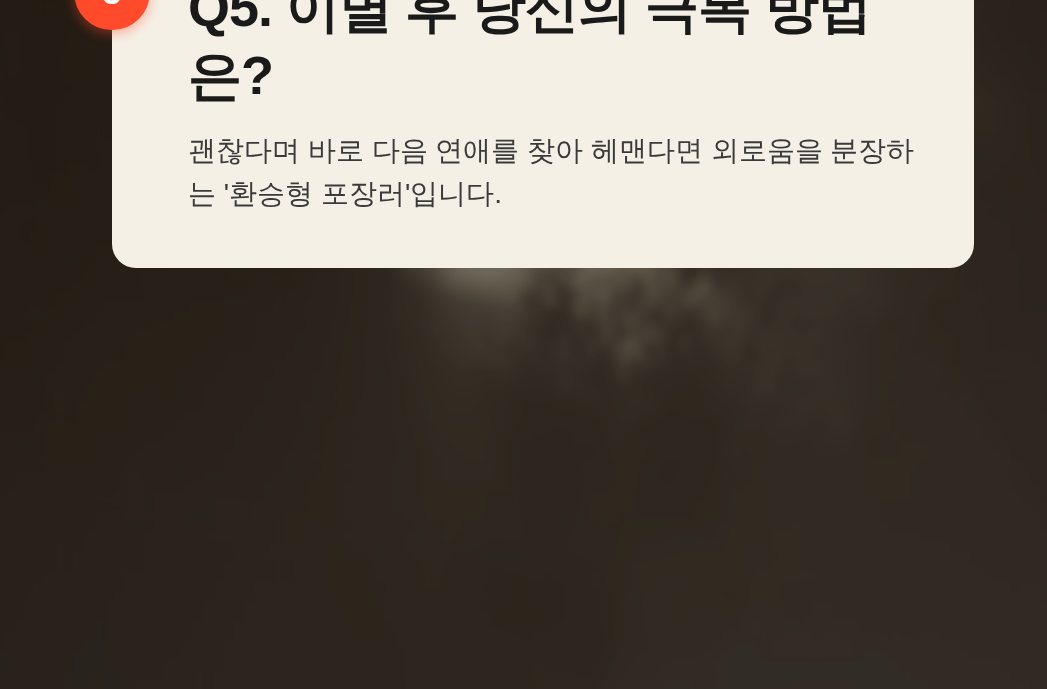
If you pretend you are fine and immediately jump into another relationship, you fit the Rebound Wrapper type (*hwanseung-hyeong pojang-reo*).
Rather than sitting with loneliness and processing grief, this pattern quickly shifts focus to a new partner to gloss over difficult emotions.
Take It as a Hint, Not a Final Label
Did any of these five situations sound familiar? Because this test is meant for entertainment, there is no need to take your result too seriously.
Use it as a light opportunity to reflect on your recurring dating habits and how you navigate emotional vulnerability.
Common questions
Are relationship defense mechanisms common?
Yes. Subconscious defense mechanisms are normal ways people try to shield themselves from conflict, rejection, or vulnerability in romantic relationships.
Why do some people lose interest when their crush likes them back?
This reaction often stems from avoidant anxiety, where the reality of emotional intimacy and commitment triggers fear, causing someone to instinctively pull away.